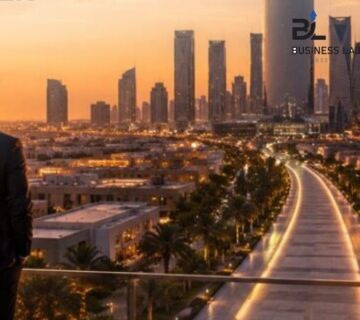

The global corporate map is being redrawn, and all roads currently lead to Riyadh. In the last three years, the world has witnessed an unprecedented migration of multinational corporations (MNCs) relocating their regional administrative hubs to the Heart of the Middle East. But what exactly is fueling this exodus from traditional hubs? Why are tech giants, construction conglomerates, and financial powerhouses asking why global companies are moving their RHQ to Saudi Arabia?
As of 2026, the answer lies in a sophisticated blend of aggressive fiscal incentives, a trillion-dollar project pipeline, and a radical transformation of the Saudi lifestyle and regulatory landscape. This article explores the strategic drivers behind this movement and what it means for the future of global business.
1. The Power of the “Stick”: The Government Procurement Mandate
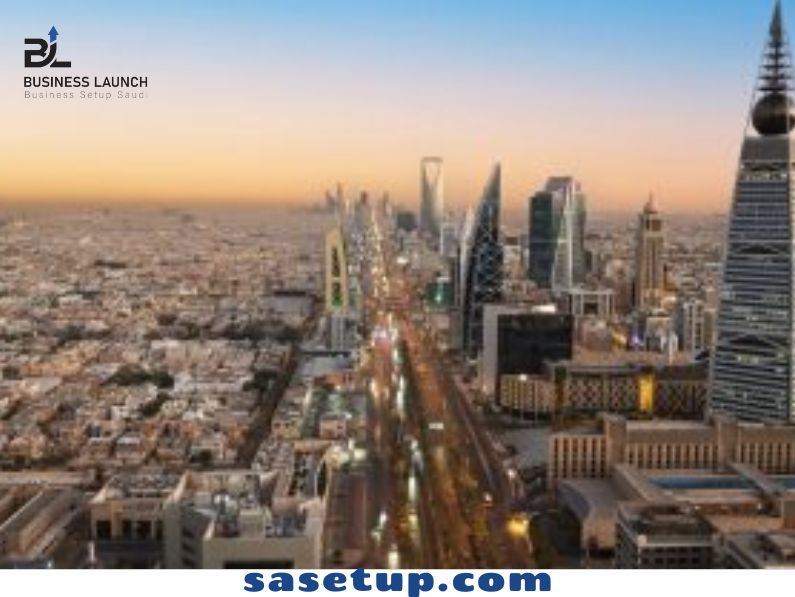
Perhaps the most immediate reason why global companies are moving their RHQ to Saudi Arabia is the strategic mandate issued by the Saudi government. Since January 2024, the Kingdom has implemented a strict policy: any foreign company seeking to bid on government contracts exceeding SAR 1 million must have its Regional Headquarters (RHQ) located within KSA.
Accessing the Trillion-Dollar Pipeline
With the Vision 2030 projects—including NEOM, The Red Sea, and the 2030 World Expo infrastructure—now in full construction mode, the Saudi government is the world’s largest spender. For MNCs in engineering, consultancy, and technology, an RHQ is no longer just an office; it is a “License to Play” in the most lucrative market of the decade.
2. The Power of the “Carrot”: The 30-Year Tax Holiday
While the procurement mandate provides the necessity, the fiscal incentives provide the motivation. In late 2023 and solidified throughout 2025, the Saudi government announced a landmark tax package for companies under the RHQ program.
-
0% Corporate Income Tax: Companies enjoy a 30-year exemption from corporate tax on all income generated from RHQ-eligible activities.
-
0% Withholding Tax: This applies to payments made by the RHQ to non-residents (dividends, royalties, and management fees).
-
Repatriation of Profits: Saudi Arabia allows for the 100% repatriation of profits, ensuring that global entities can move capital freely across their global network.
This tax-efficient environment makes Riyadh one of the most competitive corporate tax jurisdictions in the G20, providing a clear answer to why global companies are moving their RHQ to Saudi Arabia.
3. Regulatory Reforms and Ease of Doing Business
Saudi Arabia’s jump in global “Ease of Doing Business” rankings is not accidental. The Ministry of Investment (MISA) has streamlined the incorporation process into a digital-first experience.
Fast-Track Licensing
In 2026, the time required to obtain an RHQ license has been reduced to mere days. The integration between MISA, the Ministry of Commerce, and the Ministry of Labor means that a company can establish its legal identity, register for taxes, and issue executive visas through a single unified portal.
The “Special Talent” Visa
Recognizing that an RHQ requires world-class leadership, the Kingdom has introduced the Premium Residency and fast-track visas for RHQ executives. These visas bypass traditional quotas, allowing companies to bring in their best global talent with ease.
4. Proximity to the Largest Regional Market
For decades, companies managed Saudi operations from afar. However, Saudi Arabia is not just another Middle Eastern market; it is the largest. It accounts for roughly 25% of the Arab world’s GDP.
Strategic Decision-Making
Moving the RHQ to Riyadh allows executives to be on the ground where the decisions are made. In the Saudi business culture, which values face-to-face trust and long-term relationships, having a C-suite presence in the Kingdom is a significant competitive advantage over competitors operating via remote offices in neighboring countries.
5. The Transformation of Lifestyle and Infrastructure
A major hurdle in previous decades was the “livability” factor for expatriate executives. By 2026, this concern has vanished. The “Quality of Life” program, a pillar of Vision 2030, has transformed Riyadh into a cosmopolitan metropolis.
-
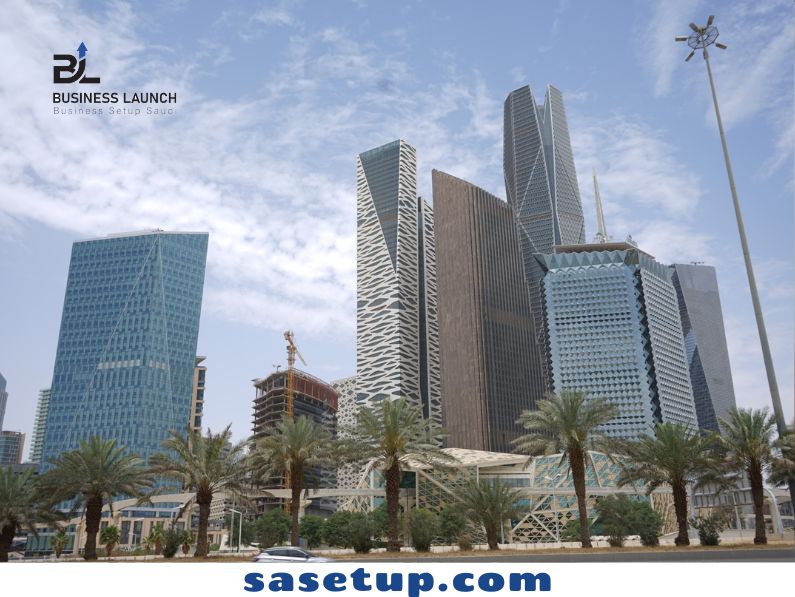
King Abdullah Financial District (KAFD): This world-class business hub now rivals the skyline of London or New York, providing high-spec office spaces and luxury residential units.
-
Entertainment and Culture: With the lifting of social restrictions and the opening of global cinema chains, luxury retail, and international dining, Riyadh is now a highly desirable destination for global families.
-
Infrastructure: The Riyadh Metro and the “Green Riyadh” initiative have significantly improved urban mobility and the environment.

See Also
- Regional Headquarters License in Saudi Arabia: Step-by-Step Process (2026 Guide)
- Everything You Need to Know About RHQ Companies in Saudi Arabia (2026 Edition)
- Expand in the GCC with an RHQ in Saudi Arabia: The 2026 Strategic Playbook
- RHQ in Saudi Arabia: Complete Guide to Regional Headquarters Setup (2026)
- MISA License Saudi Arabia: The Definitive Guide to Investing in the Kingdom (2026)
Comparison: Managing Saudi Arabia Remotely vs. RHQ Setup
| Feature | Remote Management (Non-RHQ) | Saudi RHQ (Established) |
| Govt. Contract Eligibility | Restricted/Forbidden | Fully Eligible |
| Corporate Tax Rate | 20% on Saudi Income | 0% (30-year holiday) |
| Visa Quotas | Strict (Nitaqat) | Flexible/Exempt (10 Years) |
| Market Influence | Low | High (Proximity to decision-makers) |
Frequently Asked Questions (FAQs)
1. Does a company need an RHQ if they only work with the private sector?
Technically, no. The mandate applies to government and government-related entities (like PIF-owned companies). However, most private sector giants in KSA now prefer working with RHQ-registered firms due to their perceived stability and long-term commitment to the Kingdom.
2. Can the RHQ perform local commercial sales?
An RHQ license is strictly for administrative and regional management. To conduct local sales, a company must maintain a separate commercial license (branch or LLC). The good news is that both can operate under the same corporate umbrella in KSA.
3. What are the minimum requirements for an RHQ?
By 2026, the key requirements are:
-
A minimum of 15 full-time employees within one year.
-
At least three C-suite executives based in Saudi Arabia.
-
Presence in at least two other countries (excluding KSA and the home country).
4. Why is Riyadh the preferred location?
While an RHQ can be anywhere in KSA, Riyadh is the administrative heart where all ministries and the Public Investment Fund (PIF) are headquartered. Being in Riyadh is essential for government relations.
5. Is the tax holiday guaranteed?
Yes, the 30-year tax holiday is codified in Saudi law for companies that maintain their “Economic Substance” and adhere to the RHQ licensing requirements.
Conclusion
The question is no longer why global companies are moving their RHQ to Saudi Arabia, but rather how quickly they can make the move. With the 30-year tax holiday, the sheer scale of the Vision 2030 projects, and a regulatory environment that rewards innovation, Saudi Arabia has successfully positioned itself as the inevitable regional hub for the next century.
For global MNCs, the RHQ is more than a legal entity; it is a declaration of confidence in the future of the Middle East’s most dynamic economy. As Riyadh continues its ascent, those who move early will be the ones to reap the rewards of the Kingdom’s historic transformation.