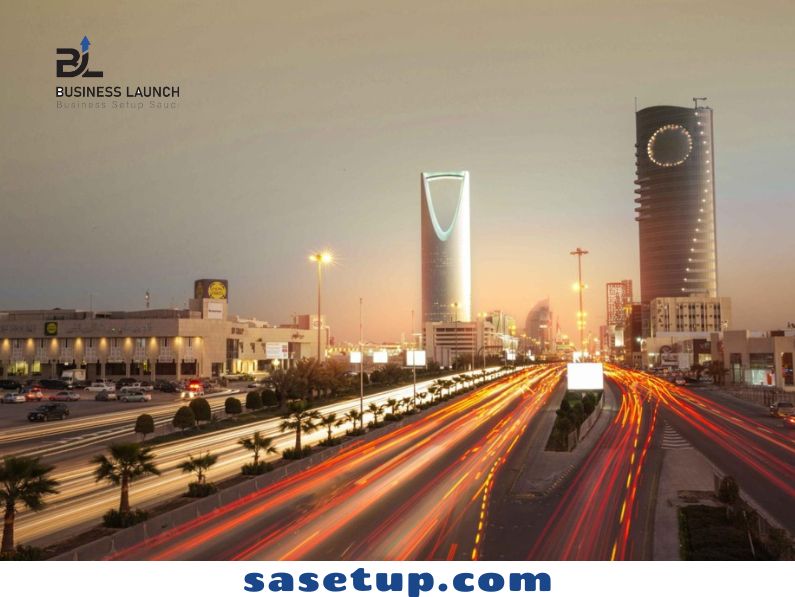
As of 2026, the landscape for multinational corporations (MNCs) has undergone a historic transformation. The Saudi RHQ (Regional Headquarters) Program has moved from a strategic vision into a fundamental “sovereign standard” for doing business in the Middle East. With the Saudi government strictly enforcing mandates that prioritize localized leadership, understanding the nuances of RHQ companies in Saudi Arabia is no longer optional—it is the only gateway to the region’s largest economy.
This comprehensive guide serves as your 2026 roadmap, detailing the fiscal rewards, the strict “Economic Substance” requirements, and the step-by-step setup process for establishing your regional nerve center in Riyadh.

What is an RHQ Company in Saudi Arabia?
An RHQ company in Saudi Arabia is a unit of a multinational group, established under Saudi law, to serve as the central hub for the Middle East and North Africa (MENA) region. Its primary role is to provide strategic supervision, administrative guidance, and technical support to the group’s subsidiaries and branches.
The 2026 Mandate
By early 2026, the mandate is absolute: foreign companies without an RHQ license are excluded from bidding on Saudi government contracts exceeding SAR 1 million. This includes projects managed by the Public Investment Fund (PIF) and giga-developments like NEOM, The Red Sea, and the 2030 World Expo infrastructure.
Unrivaled Incentives: Why Global Firms are Moving to Riyadh
To secure Riyadh’s position as a top-ten global city economy, the Kingdom offers a suite of Saudi RHQ incentives that are currently unmatched in the GCC.
1. The 30-Year Tax Holiday
The Zakat, Tax and Customs Authority (ZATCA) has codified a landmark tax package for RHQs:
-
0% Corporate Income Tax: On all eligible income derived from regional management activities for a renewable 30-year period.
-
0% Withholding Tax (WHT): On dividends, royalties, and payments to non-resident related parties.
-
Repatriation of Profits: 100% freedom to move capital back to the global parent.
2. Labor and Immigration Privileges
-
10-Year Saudization Grace Period: RHQs are exempt from mandatory local hiring quotas (Nitaqat) for the first decade.
-
Unlimited Executive Visas: Fast-track processing for C-suite and senior management visas with no cap on foreign hiring during the initial setup.
-
Spousal Work Permits: To attract top-tier global talent, spouses of RHQ employees are granted the right to work in the Kingdom.
Critical Requirements for RHQ Setup in 2026
To prevent “shell companies,” the Ministry of Investment (MISA) enforces strict “Economic Substance” rules. An RHQ company in Saudi Arabia must be a genuine operational hub.
1. The “Two-Country” Minimum
The multinational group must demonstrate a physical presence in at least two different countries, excluding Saudi Arabia and the parent group’s home country.
2. The 15-Employee Rule
Within one year of obtaining the license, the RHQ must hire at least 15 full-time employees. These employees must be dedicated to regional management functions, not local commercial sales.
3. C-Suite Residency
At least three senior executives (e.g., CEO, CFO, VP) must be physically based in the Kingdom. This ensures that the strategic “mind and management” of the MENA region reside in Riyadh.
4. Mandatory Administrative Functions
The RHQ must perform at least ten mandatory functions, including:
-
Regional strategy formulation.
-
Budgeting and financial coordination.
-
Marketing and brand management.
-
Support for acquisitions and mergers.
Step-by-Step Setup Process: 2026 Roadmap
Establishing an RHQ company in Saudi Arabia is a digitized, four-stage journey.
Step 1: MISA License Application
Applications are submitted through the MISA portal.
-
Required Docs: Audited financial statements of the parent company (3 years), a regional organizational chart, and a detailed 5-year business plan.
-
Fee: Annual license fees are approximately SAR 12,000, with a setup fee of roughly SAR 25,000–30,000 for specialized consultancy if used.
Step 2: Commercial Registration (CR)
Once MISA approves the license, the Ministry of Commerce issues the CR. This is the legal identity of your firm in KSA.
Step 3: Office and National Address
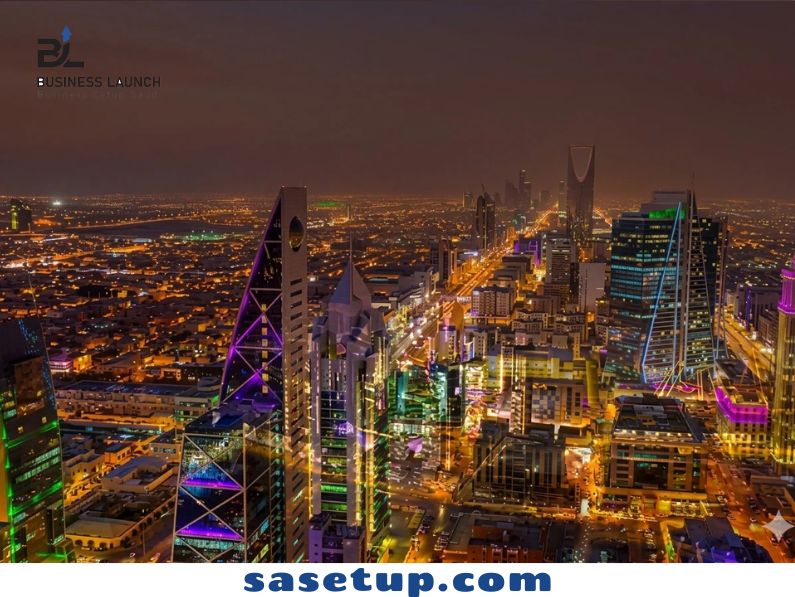
A physical office in Riyadh is mandatory. Premium districts like KAFD (King Abdullah Financial District) are the preferred choice for finance and tech MNCs. You must register a National Address to activate government services.
Step 4: Tax and Platform Integration
-
ZATCA: Register for your TIN to activate the 0% tax status.
-
Qiwa: Set up your digital portal for labor management and executive visa issuance.
See Also
- Expand in the GCC with an RHQ in Saudi Arabia: The 2026 Strategic Playbook
- RHQ in Saudi Arabia: Complete Guide to Regional Headquarters Setup (2026)
- MISA License Saudi Arabia: The Definitive Guide to Investing in the Kingdom (2026)
Comparing RHQ vs. Standard Commercial License
| Feature | RHQ Company (2026) | Standard Foreign Branch |
| Corporate Tax | 0% (30-year holiday) | 20% |
| Govt. Tenders | Priority/Full Access | Restricted/Excluded |
| Saudization | 10-year exemption | Immediate Compliance |
| Min. Headcount | 15 Employees | Varies by activity |
Frequently Asked Questions (FAQs)
1. Can an RHQ company sell products in Saudi Arabia?
An RHQ is strictly for regional management. To sell products locally, you must maintain a separate commercial license (branch or LLC). However, the RHQ oversees this branch.
2. What are the penalties for non-compliance?
In 2026, failing to meet the 15-employee rule or mandatory functions can result in fines of SAR 100,000. If the entity is found to be “non-operational,” fines can escalate to SAR 400,000, followed by license revocation.
3. Can I manage African branches from my Saudi RHQ?
Yes. The “Region” is defined broadly. Many MNCs use their Saudi hub to manage operations across the Middle East, Africa, and parts of Central Asia.
4. Is the setup process purely digital?
Yes, approximately 95% of the process—from MISA licensing to ZATCA registration—is handled via digital portals.
5. Why is Riyadh the only location for most RHQs?
While you can set up in other cities, the proximity to government ministries and the Royal Commission for Riyadh City makes Riyadh the most practical hub for procurement and policy.

Conclusion
The era of managing the Saudi market from afar is officially over. As of 2026, RHQ companies in Saudi Arabia represent the elite tier of the Kingdom’s business ecosystem. With a 30-year tax holiday, exemption from labor quotas, and exclusive access to the G20’s fastest-growing project market, the incentives far outweigh the requirements.
Setting up your RHQ is not just a compliance step; it is a declaration of confidence in the future of the Middle East. By aligning with Riyadh’s ascent, your organization secures its place at the heart of the next global economic chapter.


)