
The Gulf Cooperation Council (GCC) has long been a focal point for global trade, but the dynamics of the region have shifted dramatically. As of 2026, the center of gravity for Middle Eastern commerce has firmly landed in Riyadh. For multinational corporations (MNCs) looking to dominate the market, the strategy is no longer about having a presence in the Gulf—it is about how you expand in the GCC with an RHQ in Saudi Arabia.
This comprehensive guide explores why the Regional Headquarters (RHQ) program is the ultimate vehicle for regional growth, the fiscal incentives that make it irresistible, and the step-by-step roadmap to establishing your hub in the Heart of Arabia.
1. The New Era of GCC Expansion
Historically, many global firms managed their Middle Eastern operations from external hubs. However, the introduction of the Saudi RHQ mandate in 2024 changed everything. By 2026, the policy has matured: any multinational that wishes to participate in Saudi Arabia’s trillion-dollar “Giga-projects” (such as NEOM, The Red Sea, and the 2030 World Expo infrastructure) must have its regional headquarters based in KSA.
To expand in the GCC with an RHQ in Saudi Arabia is to align your business with the region’s largest economy. KSA accounts for roughly 50% of the GCC’s total GDP and possesses the highest purchasing power in the Arab world.
2. Why an RHQ is Your Gateway to the GCC
Operating an RHQ in Riyadh offers more than just access to the Saudi market; it provides a centralized platform to manage operations across the UAE, Qatar, Kuwait, Oman, and Bahrain.
Strategic Centralization
Riyadh’s geographic location and its massive investment in infrastructure—including the expansion of King Salman International Airport—make it a logistical dream. By 2026, Riyadh serves as a 3-hour flight hub to almost any major city in the GCC and North Africa.
Government Procurement Priority
If your goal is to win government tenders in the Kingdom, the RHQ is a prerequisite. However, the prestige of a Saudi RHQ also carries weight across the GCC, signaling to other Gulf nations that your firm is a committed, “tier-one” regional player.
3. Unrivaled Incentives: The 30-Year Tax Holiday
Perhaps the most compelling reason to expand in the GCC with an RHQ in Saudi Arabia is the fiscal package announced by the Ministry of Investment (MISA) and ZATCA.
-
0% Corporate Income Tax: For a renewable period of 30 years. This applies to all income generated from eligible RHQ activities.
-
0% Withholding Tax: No tax on dividends, royalties, or management fees paid to non-resident related parties.
-
Repatriation of Profits: 100% freedom to move capital globally.
-
Geographic Flexibility: While the RHQ must be in KSA, the tax benefits apply to the management of branches across the entire MENA region.
4. Requirements for Establishing an RHQ in 2026
To prevent the creation of “shell offices,” the Saudi government enforces strict “Economic Substance” rules. To successfully expand in the GCC with an RHQ in Saudi Arabia, you must meet the following criteria:
-
The Two-Country Rule: The MNC group must have a physical presence in at least two different countries (excluding Saudi Arabia and the parent company’s home country).
-
Staffing Minimums: You must hire at least 15 full-time employees within one year of license issuance.
-
Senior Leadership: At least three C-suite executives (e.g., CEO, CFO) must be physically based in the Kingdom.
-
Mandatory Functions: The RHQ must perform at least 10 mandatory management functions, such as regional strategy, treasury coordination, and brand management.
5. Step-by-Step Setup Guide
Step 1: MISA License Acquisition
Apply for the RHQ license via the Invest Saudi portal. You will need audited financial statements from the parent company and a detailed regional organizational chart.
Step 2: Commercial Registration (CR)
Once MISA approves the license, you obtain your CR from the Ministry of Commerce. In 2026, this is a fully digital process that takes less than 48 hours.
Step 3: Office and National Address
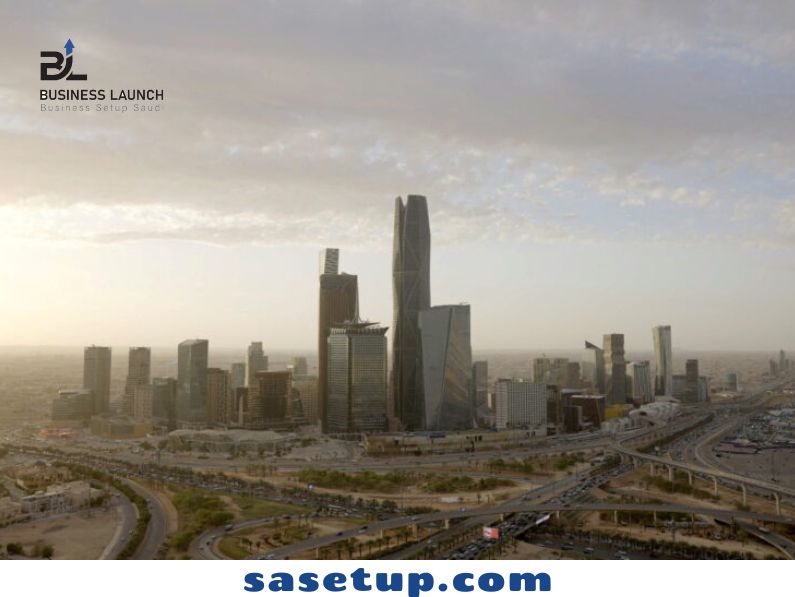
Riyadh offers world-class business districts like KAFD (King Abdullah Financial District). You must secure a physical lease and register a “National Address.”
Step 4: Visa and Labor Integration
Utilize the Qiwa platform to issue executive visas. RHQs enjoy a 10-year exemption from mandatory “Saudization” (Nitaqat) quotas, allowing you to bring in your global leadership team seamlessly.
See Also
- RHQ in Saudi Arabia: Complete Guide to Regional Headquarters Setup (2026)
- The Comprehensive Guide to Business Setup in Saudi Arabia: Navigating the Land of Opportunity (2026 Edition)
- The Ultimate Guide to Commercial Registration Saudi Arabia: Unlocking Business Potential in Vision 2030
- MISA License Saudi Arabia: The Definitive Guide to Investing in the Kingdom (2026)
6. Comparing Regional Hubs (2026)
| Feature | Saudi RHQ (Riyadh) | Traditional GCC Hubs |
| Corporate Tax | 0% (30-year holiday) | 9% – 15% |
| Market Access | Direct access to KSA Giga-projects | Secondary access |
| Saudization | 10-year grace period | Immediate quotas |
| Visa Quotas | Unlimited for executives | Capped/Restricted |
7. Challenges and Best Practices
While the benefits are immense, expansion requires a nuanced approach:
-
Cultural Nuance: Saudi business is built on trust. Invest in a local Government Relations Officer (GRO) to navigate the “Majlis” style of networking.
-
Talent Competition: Riyadh in 2026 is highly competitive. Highlight the city’s new “Quality of Life” initiatives to attract top expats.
-
Compliance: Ensure your regional management fees are documented clearly to satisfy ZATCA audits regarding the 0% tax holiday.
Frequently Asked Questions (FAQs)
1. Can the RHQ conduct local sales?
No. An RHQ license is strictly for regional management. To sell products or services within Saudi Arabia, you must establish a separate commercial branch or an LLC. The RHQ acts as the “parent” for these entities.
2. Is the 30-year tax holiday guaranteed?
Yes, the 30-year exemption is codified under Saudi law for all companies that maintain their RHQ license and comply with the staffing requirements.
3. Why Riyadh instead of Jeddah or NEOM?
While you can locate an RHQ anywhere in KSA, Riyadh is the preferred choice because it is the administrative heart where all ministries and the Public Investment Fund (PIF) are headquartered.
4. What happens if I don’t meet the 15-employee requirement?
Failure to meet the “Economic Substance” test can lead to the suspension of your license and, more critically, your disqualification from government procurement.
5. Can I manage African operations from the Saudi RHQ?
Yes. The RHQ program allows you to manage any country within the MENA region and beyond, providing a massive logistical advantage for EMEA expansion.
Strategic Resources for Investors
-
Vision 2030 Official Portal: To align your expansion with the Kingdom’s national goals.
-
SAMA (Saudi Central Bank): For information on capital repatriation and regional banking.
-
Etimad: The unified portal for tracking government tenders.
Conclusion: The Ultimate Regional Catalyst
To expand in the GCC with an RHQ in Saudi Arabia is to future-proof your business. The combination of a 30-year tax holiday, priority access to trillions of dollars in development projects, and a world-class regulatory environment makes Riyadh the inevitable hub for the next century of Gulf commerce.
The question for global firms in 2026 is no longer should you move, but how fast can you establish your nerve center in the Heart of Arabia. By setting up an RHQ today, you aren’t just complying with a mandate—you are capturing the most dynamic growth story in the modern world.