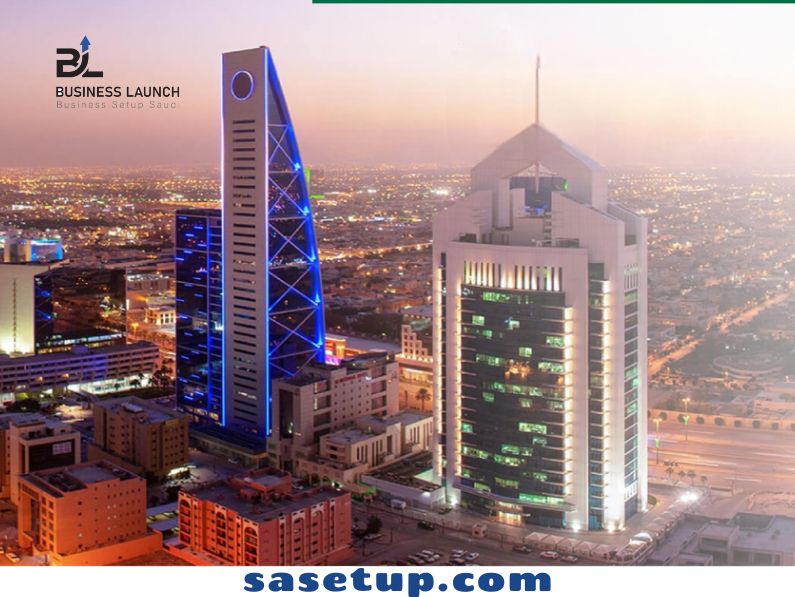
The global economic landscape is shifting its focus toward the Middle East, with the Kingdom of Saudi Arabia (KSA) leading the charge. Central to this transformation is the Saudi Arabia RHQ Incentives program. Designed to attract multinational corporations (MNCs) to Riyadh, this program has evolved into one of the most competitive investment packages globally.
As of 2026, the Kingdom’s Vision 2030 is in its peak execution phase. For global businesses, understanding the depth of the Saudi Arabia RHQ Incentives: Tax Benefits, Opportunities & Growth is no longer a matter of “if” but “when” to move. This article provides an expansive look at why Riyadh has become the destination of choice for global leadership.
The Strategic Vision Behind the RHQ Program
The Regional Headquarters (RHQ) program was launched to reduce “economic leakage”—the practice of companies generating vast profits from Saudi projects while managing them from neighboring countries. By 2026, the program has succeeded in creating a high-skill ecosystem where strategic decisions for the MENA region are made within Saudi borders.
The 2024-2026 Mandate
The Saudi government has sent a clear message: to access the Kingdom’s trillion-dollar procurement market, you must be a local partner. Any foreign company without an RHQ license is now ineligible to contract with government agencies or government-backed entities like the Public Investment Fund (PIF) for contracts exceeding SAR 1 million.
Saudi Arabia RHQ Incentives: The Tax Benefits
The primary driver of the massive influx of MNCs is the fiscal framework. The Saudi government, via the Zakat, Tax and Customs Authority (ZATCA), has codified a tax package that offers unprecedented stability.
1. The 30-Year Tax Holiday
The hallmark of the Saudi Arabia RHQ Incentives is the 30-year tax holiday. This incentive includes:
-
0% Corporate Income Tax: For three decades, eligible income generated from RHQ management activities is exempt from the standard 20% corporate tax.
-
0% Withholding Tax (WHT): No tax is applied to dividends, royalties, or management fees paid by the RHQ to non-resident related parties.
-
Tax Certainty: This long-term commitment provides a “safe harbor” for international firms against future tax fluctuations.
2. VAT and Zakat Benefits
While Value Added Tax (VAT) remains at 15% for local commercial sales, transactions within the RHQ’s regional management scope often fall under favorable treatments. Furthermore, the 2.5% Zakat is not applied to the foreign-owned portion of the RHQ.
Opportunities for Growth in the Saudi Market
Beyond the tax breaks, the Saudi Arabia RHQ Incentives open doors to the most significant development projects in modern history.
1. Giga-Project Integration
With an RHQ license, companies gain direct access to:
-
NEOM: The $500 billion “city of the future.”
-
The Red Sea Global: A luxury tourism hub redefining sustainability.
-
Riyadh Expo 2030: A massive infrastructure build-up requiring global expertise in logistics, tech, and construction.
2. Proximity to the Largest Regional Market
Saudi Arabia accounts for approximately 25% of the Arab world’s total GDP. By moving the RHQ to Riyadh, companies are no longer managing the region “remotely.” They are physically present in the market with the highest purchasing power in the GCC.
3. Digital and Tech Innovation
The Kingdom is investing billions in AI, cloud computing, and green energy. RHQ firms in the tech sector benefit from a young, tech-savvy population and a government eager to adopt “sandbox” regulations for emerging technologies.
Operational Incentives and Ease of Doing Business
The Saudi Arabia RHQ Incentives extend into the operational realm, making it easier to hire and retain world-class talent.
1. Saudization Exemptions
Normally, Saudi companies must hire a specific percentage of local nationals (Nitaqat). RHQs, however, receive a 10-year exemption from these quotas. This allows MNCs to bring in their global leadership teams and specialized experts without immediate hiring constraints.
2. Unlimited Executive Visas
The Ministry of Investment (MISA) provides RHQs with a fast-track portal for visa issuance. There is no cap on the number of visas for senior management, and the process is often completed within 24 to 48 hours.
3. Spouse and Dependent Support
To make relocation attractive, spouses of RHQ employees are granted work permits, and residency requirements for children and dependents have been relaxed, ensuring a smooth transition for expatriate families.
Requirements to Qualify for RHQ Incentives
To ensure “Economic Substance,” the government requires that an RHQ be a genuine management hub:
-
The 15-Employee Rule: Within 12 months, the RHQ must have 15 full-time employees.
-
C-Suite Presence: At least three top-level executives (CEO, CFO, etc.) must be based in the Kingdom.
-
Regional Oversight: The RHQ must manage at least two countries (excluding KSA and the home country).
-
Mandatory Functions: The hub must perform activities like regional planning, treasury management, and brand strategy.
See Also
- Expand in the GCC with an RHQ in Saudi Arabia: The 2026 Strategic Playbook
- RHQ in Saudi Arabia: Complete Guide to Regional Headquarters Setup (2026)
- MISA License Saudi Arabia: The Definitive Guide to Investing in the Kingdom (2026)
RHQ vs. Mainland License: Why Incentives Matter
| Feature | Mainland License (Branch/LLC) | Saudi Arabia RHQ License |
| Corporate Tax | 20% | 0% (30 Years) |
| Withholding Tax | 5% – 20% | 0% |
| Govt. Tenders | Limited/Excluded | Full Priority |
| Saudization | Immediate Compliance | 10-Year Exemption |
Frequently Asked Questions (FAQs)
1. Can an RHQ generate direct revenue?
An RHQ license is strictly for administrative and regional management. To sell products or services in KSA, you must maintain a separate commercial branch or an LLC. However, the RHQ oversees this branch.
2. Is the 30-year tax holiday guaranteed by law?
Yes. The tax incentives are codified under Saudi law and the specialized RHQ framework issued by ZATCA and MISA.
3. What happens if I don’t meet the 15-employee requirement?
MISA conducts annual audits. Failure to meet the staffing or leadership requirements can lead to the suspension of the license and the loss of the 30-year tax holiday.
4. Is Riyadh the only city where I can set up my RHQ?
While Riyadh is the preferred destination due to the presence of government ministries, an RHQ can be established in any city within Saudi Arabia, including specialized zones like KAEC.
5. Can I manage African operations from my Saudi RHQ?
Absolutely. The “Region” is defined broadly, and many MNCs use their Saudi hub to manage operations across Africa and Central Asia.
Strategic Resources for Investors
-
Invest Saudi (MISA): The primary portal for RHQ applications.
-
Saudi Vision 2030: The official roadmap for national transformation.
-
SAMA (Saudi Central Bank): For information on capital repatriation and banking regulations.
Conclusion: The Era of Growth
The Saudi Arabia RHQ Incentives: Tax Benefits, Opportunities & Growth represent a landmark offer in the history of foreign direct investment. By providing a 30-year tax holiday and exclusive access to the world’s most ambitious development projects, Saudi Arabia has successfully shifted the center of gravity for global business to Riyadh.
For multinational corporations, establishing an RHQ is no longer just a compliance exercise—it is a strategic play to maximize profitability and influence in the G20’s fastest-growing economy.


)