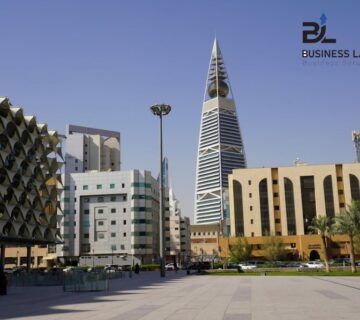

The global investment map has been redrawn, and all roads now lead to Riyadh. As we navigate through 2026, the Kingdom of Saudi Arabia (KSA) has solidified its position as the premier destination for international capital, innovation, and industrial expansion. Driven by the landmark Vision 2030 initiative, the Kingdom is no longer a market of the future—it is the market of the now. However, for a global entity, the “how-to” of market entry is just as important as the “why.” Navigating a Foreign Investor Saudi Arabia Setup requires a blend of legal precision, financial foresight, and local intelligence.
This guide serves as an exhaustive resource for international businesses aiming to establish a robust, compliant, and scalable presence in the largest economy in the Middle East.

1. The Global Appeal: Why Saudi Arabia in 2026?
The momentum behind a Foreign Investor Saudi Arabia Setup is fueled by unprecedented structural reforms. The Kingdom has moved aggressively to dismantle old barriers, offering an environment that rivals established global financial hubs.
-
100% Foreign Ownership: In almost all commercial and industrial sectors, the requirement for a local Saudi partner has been abolished, giving foreign investors full control over their equity and decision-making.
-
A G20 Powerhouse: As a member of the G20, Saudi Arabia offers a stable, high-purchasing-power environment backed by the sovereign strength of the Public Investment Fund (PIF).
-
Strategic Giga-Projects: From the cognitive city of NEOM to the sustainable tourism of the Red Sea, the scale of infrastructure development creates a massive B2B and B2G ecosystem.
-
Digital Governance: The Saudi government has digitized nearly every step of the investment journey, making it one of the most efficient jurisdictions for company formation.
2. Choosing the Right Legal Vehicle
The foundation of any Foreign Investor Saudi Arabia Setup is the choice of entity. Each structure has distinct implications for liability, taxation, and the ability to bid on government contracts.
A. The Limited Liability Company (LLC)
The LLC is the “gold standard” for foreign investors. It provides a robust legal shield for shareholders and is highly flexible for both small startups and large multinational operations.
-
Equity: 100% foreign-owned.
-
Liability: Limited to the capital invested.
B. Foreign Company Branch
Ideal for established brands that wish to maintain a direct legal link between their global headquarters and their Saudi operations.
-
Pros: No separate Articles of Association are required.
-
Cons: The parent company remains liable for the branch’s activities.
C. Regional Headquarters (RHQ)
As of 2024, the RHQ mandate has become a critical factor. Any Foreign Investor Saudi Arabia Setup targeting government contracts must establish its Regional Headquarters in the Kingdom.
-
Incentives: Includes a 30-year 0% corporate tax rate and exemptions from certain labor quotas.
3. The Gateway: Securing the MISA Investment License
Unlike local businesses, every foreign entity must first pass through the Ministry of Investment (MISA). The MISA license is the primary document that authorizes a foreign entity to operate on Saudi soil.
Requirements for the MISA License:
To initiate a Foreign Investor Saudi Arabia Setup, you must provide:
-
Attested Documents: The parent company’s Certificate of Incorporation and Articles of Association, attested by the Saudi Embassy in the home country.
-
Financial Stability: Audited financial statements from the previous fiscal year.
-
Strategic Plan: A brief overview of the planned business activities and their alignment with the ISIC4 classification.
4. Step-by-Step: The Operational Roadmap
Once the MISA license is secured, the technical phase of the Foreign Investor Saudi Arabia Setup begins.
-
Reserve a Trade Name: Done through the Ministry of Commerce. The name must be unique and culturally appropriate.
-
Articles of Association (AoA): For an LLC, the AoA must be drafted and notarized digitally. This document defines the governance and management powers.
-
Commercial Registration (CR): This is the final “birth certificate” of the company, issued by the Ministry of Commerce.
-
Chamber of Commerce Membership: Mandatory for all businesses to authenticate legal documents and contracts.
See Also
- Navigating Success: The Ultimate Guide to Obtaining a Saudi Arabia Business License
- The Definitive Guide to Establishing and Managing a Foreign Company Saudi Arabia
- The Comprehensive Guide to Start LLC in Saudi Arabia: A Gateway to Vision 2030
- Starting a Business in Saudi Arabia: A Complete Guide for Investors
- How to Launch Your Business in Saudi Arabia from Abroad
5. Strategic Partner: Business Launch Company (SA Setup)
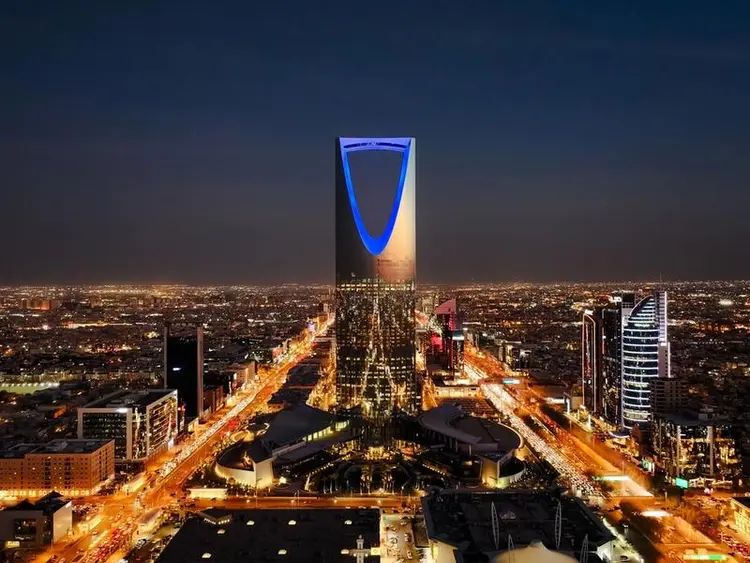
Navigating the nuances of a Foreign Investor Saudi Arabia Setup—from attestation to labor law—is a complex undertaking that requires local expertise. Business Launch Company, headquartered in the prestigious King Abdullah Financial District (KAFD) in Riyadh, is the premier consultancy for international firms entering the Kingdom.
With a deep understanding of Vision 2030 and a direct line to regulatory bodies, Business Launch Company provides a comprehensive “single-window” experience. Their services are designed to remove the friction of market entry:
-
Turnkey Licensing: Managing the entire lifecycle of MISA and Commercial Registrations.
-
Government Relations (GRO): Navigating the Qiwa and Muqeem portals for labor visas and residency permits.
-
Corporate Support: Providing modern Virtual Office solutions and legal secretarial services in the heart of Riyadh’s financial hub.
-
Financial Compliance: Expert handling of Zakat, VAT, and Bookkeeping through the ZATCA framework to ensure your business remains in high standing.
6. Taxation and Financial Compliance
A critical component of a Foreign Investor Saudi Arabia Setup is understanding the fiscal landscape managed by the Zakat, Tax and Customs Authority (ZATCA).
| Tax Type | Rate | Application |
| Corporate Income Tax | 20% | Applied to the net profit of the foreign shareholding. |
| Value Added Tax (VAT) | 15% | Standard rate on most goods and services. |
| Withholding Tax | 5% – 20% | Applied to payments made to non-resident entities (royalties, fees). |
| Zakat | 2.5% | Generally applied to the Saudi/GCC-owned portion of the company. |
7. The Labor Market: Saudization and “Nitaqat”
The Kingdom is committed to increasing the participation of Saudi nationals in the private sector. Every Foreign Investor Saudi Arabia Setup must adhere to the Nitaqat system.
-
Nitaqat Categories: Companies are categorized (Platinum, Green, Yellow, Red) based on their percentage of Saudi employees.
-
Qiwa Platform: This is the centralized portal for all labor contracts and employee management. Maintaining a high Nitaqat score is essential for securing work visas (Iqamas) for international staff.
-
HRDF Subsidies: The government often provides financial support through the Human Resources Development Fund to help companies train and hire local talent.
8. Sector Opportunities for 2026
When planning a Foreign Investor Saudi Arabia Setup, aligning your business with the Kingdom’s priority sectors can unlock specific incentives and grants.
-
Technology & Fintech: With the SAMA (Saudi Central Bank) regulatory sandbox, KSA is a prime spot for digital payment and banking innovators.
-
Logistics: The “Global Supply Chain Resilience Initiative” aims to make KSA a top-10 global logistics hub.
-
Tourism & Entertainment: As the Kingdom hosts global events like World Expo 2030, the demand for hospitality and event management is surging.
-
Manufacturing: Under the “Made in Saudi” initiative, the Ministry of Industry offers subsidized land and energy for industrial setups.
9. Common Pitfalls to Avoid
-
Underestimating the “National Address”: You cannot finalize your setup without a verified physical or virtual office address registered through the Saudi Post.
-
Incorrect ISIC Codes: Choosing the wrong activity code during the MISA stage can lead to restrictions in your Commercial Registration.
10. Conclusion: The Road to Prosperity
Establishing a Foreign Investor Saudi Arabia Setup is an investment in the future of the global economy. The Kingdom is not merely changing its laws; it is changing its culture to be more inclusive, digital, and investment-friendly.
While the regulatory environment is sophisticated, the rewards for those who navigate it correctly are unparalleled. With a clear strategy, a focus on compliance, and a trusted local partner, international businesses can thrive in an environment that is as ambitious as it is welcoming. The vision is set, the infrastructure is ready, and the door is open.
Frequently Asked Questions (FAQ)
-
How long does a Foreign Investor Saudi Arabia Setup take? The initial MISA license and CR can be issued in as little as 2 weeks. Becoming fully operational with bank accounts and visas typically takes 60–90 days.
-
Is a local partner mandatory in 2026? No. Most commercial and industrial activities allow for 100% foreign ownership.
-
What is the minimum capital required? For most service LLCs. there is no fixed minimum capital, though “sufficient capital” (e.g., SAR 50,000–100,000) is often required to activate bank accounts.
-
Can I start the process from outside the Kingdom? Yes. By using a professional setup consultant with Power of Attorney, the majority of the process can be handled remotely.