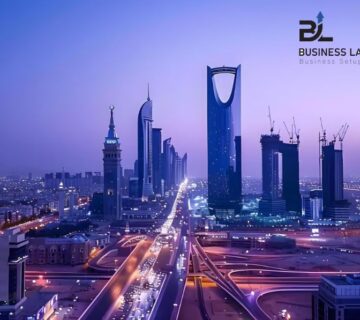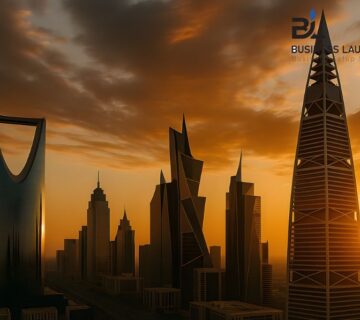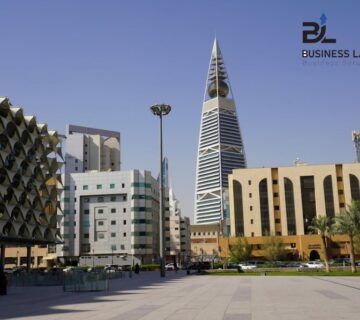
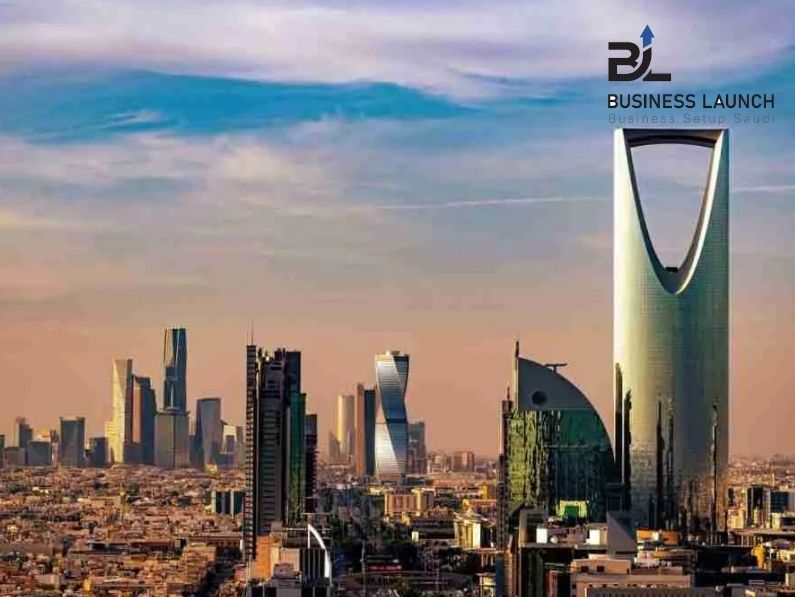
The global corporate landscape is undergoing a monumental transformation, and at the epicenter of this economic evolution stands Riyadh, the capital of the Kingdom of Saudi Arabia. Over the past decade, multinational corporations, fortune 500 tech giants, financial institutions, and fast-scaling startups have systematically relocated their regional nodes to Riyadh. Understanding why international companies choose Riyadh requires looking beyond standard market expansion metrics. It involves examining an ambitious macroeconomic overhaul, unprecedented legislative modernization, high-impact fiscal incentives, and direct access to the Middle East’s largest economy.
1. The Macroeconomic Engine: Why International Companies Choose Riyadh
Saudi Arabia represents nearly 50% of the total Gross Domestic Product (GDP) of the Gulf Cooperation Council (GCC). With a national economy exceeding $1 trillion, Riyadh is not merely a regional gateway; it is the financial and operational heart driving the Middle East’s commercial enterprise.
Under the framework of Saudi Vision 2030, the Kingdom is executing a multi-trillion-dollar economic diversification roadmap. The goal is clear: reduce oil dependency, build hyper-modern digital and physical infrastructure, and double the population of Riyadh to 15 million residents by 2030.
Key Economic Drivers
-
Dominant Consumer Market: Saudi Arabia boasts a population of over 32 million, with a median age under 32 years. This demographic offers high purchasing power, rapid technology adoption, and sustained domestic consumption.
-
Public Investment Fund (PIF) Deployment: Sovereign wealth backed by the PIF is funding gigaprojects, venture capital, and industrial initiatives, creating massive B2B contracting opportunities for international firms.
-
G20 Advantage: As the only G20 economy in the Arab world, Saudi Arabia offers unmatched regulatory stability, international sovereign standing, and global trade integrations.
2. The Regional Headquarters (RHQ) Program: Strategic & Fiscal Incentives
Perhaps the single most persuasive answer to why international companies choose Riyadh is the Regional Headquarters (RHQ) Program. Introduced by the Saudi government in partnership with the Ministry of Investment (MISA), this initiative incentivizes international companies to establish their strategic direction and administrative command center for the MENA region in Riyadh.
       ┌────────────────────────────────────────────────────────┐
       │             RHQ Incentive Framework                    │
       ├──────────────────────────┬─────────────────────────────┤
       │ Corporate Income Tax     │ 0% for 30 Years             │
       │ Withholding Tax          │ 0% on Approved Activities   │
       │ Government Tenders       │ Exclusive Bidding Rights    │
       │ Saudization Requirements │ 10-Year Exemption for RHQ   │
       │ Executive Visa Quotas    │ Unlimited Work Permits      │
       └──────────────────────────┴─────────────────────────────┘
Unrivaled Tax Holiday and Exemptions
Global firms establishing an RHQ in Riyadh benefit from a 30-year 0% tax incentive package, including zero corporate income tax and zero withholding tax on approved regional headquarters activities. This regulatory move significantly reduces operating overheads and maximizes capital reinvestment capabilities.
Preferential Access to Public Contracts
Starting in 2024, the Saudi government restricted state agencies, ministries, and sovereign funds from executing contracts with foreign companies that do not hold an established RHQ in the Kingdom. For global companies seeking multi-billion-dollar government tenders, a presence in Riyadh is no longer optional—it is essential.
3. World-Class Infrastructure & The King Abdullah Financial District (KAFD)
Modern corporate headquarters demand world-class physical connectivity, sustainable urban design, and state-of-the-art telecommunications. Riyadh delivers on every front through dedicated financial districts and major urban development programs.
                        RIYADH URBAN INFRASTRUCTURE
                                    │
         ┌──────────────────────────┼──────────────────────────┐
         ▼                          ▼                          ▼
 King Abdullah Financial    Riyadh Metro System      Integrated Logistics
     District (KAFD)       (Citywide Transit)       Special Zone (ILSZ)
 (Grade-A Office Space)   (Seamless Mobility)       (Tax-Free Logistics)
-
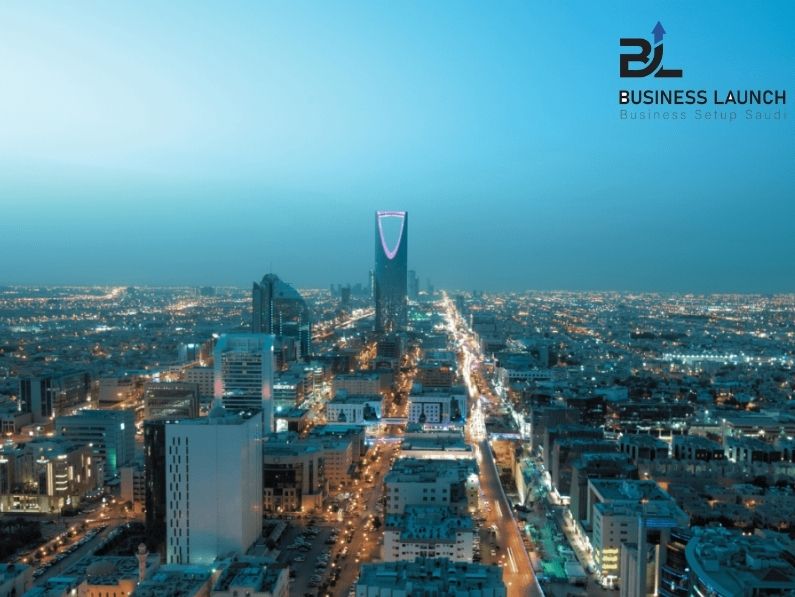
King Abdullah Financial District (KAFD): Spanning 1.6 million square meters, KAFD is one of the world’s most advanced financial centers. It houses global banks, management consultancies, tech giants, and legal powerhouses in LEED-certified skyscrapers.
-
Logistics and Supply Chain Hubs: Riyadh’s Special Integrated Logistics Zone (ILSZ) at King Khalid International Airport offers 100% foreign ownership, zero customs duty on transferred goods, and expedited customs clearance.
-
Advanced Telecommunications: Saudi Arabia ranks among the world’s fastest nations for 5G internet speeds and mobile connectivity, ensuring zero latency for financial trading, digital platforms, and cloud enterprise operations.
4. Progressive Legal Frameworks and 100% Foreign Ownership
Historically, operating in the Middle East required local partner sponsorship models. Today, comprehensive legal reforms overseen by the Ministry of Commerce (MoC) have transformed Saudi Arabia into one of the most investor-friendly legal jurisdictions globally.
Key Regulatory Reforms
-
100% Foreign Direct Ownership: Under MISA guidelines, international enterprises across most sectors—including technology, manufacturing, services, healthcare, and engineering—can retain 100% foreign ownership without a local partner.
-
Modernized Companies Law: The updated Saudi Companies Law introduces flexible corporate legal forms, simplified equity structures, streamlined dividend distribution, and enhanced protection for minority shareholders.
-
Intellectual Property Protections: The Saudi Authority for Intellectual Property (SAIP) enforces rigorous international standards for trademark, patent, and digital copyright protections, giving global technology companies total security for their proprietary assets.
See Also
- Business Launch Company Expands to KAFD: Your Gateway to Saudi Arabia’s Economic Frontier
- Increasing Company Capital in Saudi Arabia: The Ultimate Legal & Strategic Guide
- How to Amend a Commercial Registration (CR) in Saudi Arabia: The Ultimate 2026 Guide
- Company Stamp Requirements in Saudi Arabia: The Ultimate 2026 Compliance Guide
5. Seamless Financial & Tax Administration
Regulatory predictability is a fundamental requirement for international C-suite executives evaluating expansion opportunities. Tax compliance and revenue management in Riyadh operate under clear, modernized statutory guidelines administered by the Zakat, Tax and Customs Authority (ZATCA).
   REGULATORY COMPLIANCE FRAMEWORK IN SAUDI ARABIA

   ┌───────────────────────┐       ┌───────────────────────┐
   │    Corporate Tax      │       │     Value Added       │
   │    Standard Rate:     │       │     Tax (VAT):        │
   │         20%           │       │         15%           │
   └───────────┬───────────┘       └───────────┬───────────┘
               │                               │
               └───────────────┬───────────────┘
                               ▼
                   ZATCA E-Invoicing Platform
                    (Fatoora Phase 1 & 2)
Saudi Arabia’s tax structure remains exceptionally competitive compared to Western economies:
-
Standard Corporate Income Tax: Fixed at 20% on non-Saudi shareholder net profits (with significant exemptions under the RHQ program).
-
Value Added Tax (VAT): Standard 15% across goods and services.
-
E-Invoicing Integration: Mandatory integration through ZATCA’s Fatoora platform provides corporate entities with transparent, digitized compliance tools that simplify internal auditing and mitigate legal friction.
6. Access to High-Quality Human Capital & Workforce Flexibility
A major factor explaining why international companies choose Riyadh is the rapid scaling of the local talent pool combined with streamlined labor operations.
The Saudi government’s national employment framework is managed seamlessly through the centralized Qiwa Platform operated by the Ministry of Human Resources and Social Development.
Through digital platforms, international employers can:
-
Instantly issue, renew, and modify work visas for foreign executives.
-
Manage Saudization quotas (Nitaqat compliance) transparently.
-
Issue standardized employment contracts under official labor protections.
-
Access millions of highly educated, bilingual Saudi professionals graduating from top domestic and global universities.
7. Strategic Business Setup Process via Centralized Portals
Setting up a corporate entity in Saudi Arabia used to take months. Today, government-wide digitalization led by the Saudi Business Center (SBC) allows international companies to complete legal establishment in record time.
Comparative Analysis: Riyadh vs. Traditional Regional Hubs
To illustrate why international market share is shifting rapidly toward Saudi Arabia, the following table compares key business environment metrics across regional markets:
| Metric / Dimension | Riyadh, Kingdom of Saudi Arabia | Traditional Regional Hubs |
| Domestic Market Size | $1.1+ Trillion GDP (Largest in MENA) | Smaller domestic consumer base |
| RHQ Tax Incentive | 0% Corporate Tax for 30 Years | Variable short-term tax rates |
| Government Procurement Access | Direct & Exclusive Priority for RHQ firms | Restricted or non-priority access |
| Foreign Ownership | 100% Commercial Ownership across key sectors | Often requires local agent/sponsor |
| Gigaproject Capital Investment | $1.3+ Trillion in active developments (NEOM, Diriyah, Qiddiya) | Maturing market opportunities |
| Workforce Administration | Fully Digitalized via Qiwa & MHRSD | Multi-layered legacy procedures |
Partnering with Business Launch Company
Navigating legal regulations, obtaining MISA licenses, securing premium office space in KAFD, and establishing an official Regional Headquarters requires expert local guidance.
Business Launch Company is the leading corporate services firm specialized in helping international corporations, enterprise brands, and foreign investors expand seamlessly into Riyadh and across Saudi Arabia.
       ┌─────────────────────────────────────────────────────────┐
       │         Business Launch Company (انطلاقة الأعمال)        │
       ├─────────────────────────────────────────────────────────┤
       │  ✔ MISA Investment Licensing & RHQ Setup                │
       │  ✔ Commercial Registration & Legal Structuring           │
       │  ✔ ZATCA Tax & VAT Compliance Integration               │
       │  ✔ Executive Visa, Qiwa & Labor Services                │
       │  ✔ Corporate Banking & KAFD Office Acquisition           │
       └─────────────────────────────────────────────────────────┘
Whether you are seeking to secure an RHQ license, navigate 100% foreign ownership frameworks, or expedite commercial registrations, our on-the-ground team handles the entire administrative and legal pipeline.
Contact Information & Corporate Location
-
-
Google Maps Location: Navigate directly via Google Maps
-
LinkedIn Announcement: View the official LinkedIn expansion post
-
Official Website: https://sasetup.com
📞 Direct Phone / WhatsApp: +966 53 783 3585

✉️ Support Email:          [email protected]
-
Frequently Asked Questions (FAQs)
Why is Riyadh mandatory for companies seeking Saudi government contracts?
Under the Regional Headquarters (RHQ) directive, Saudi government agencies, ministries, and sovereign entities are restricted from awarding major contracts to foreign businesses that do not maintain their regional headquarters in Riyadh. This policy ensures that companies benefiting from Saudi public spending contribute directly to the local economy and job creation.
What is the minimum capital requirement to set up a company in Riyadh?
Capital requirements vary depending on the business activity licensed by MISA. While many service-based, consulting, and technology activities require zero minimum paid-up capital, specific industrial, retail, or real estate licenses may require defined capital reserves.
Can foreign entities own 100% of their business in Riyadh?
Yes. Under current MISA regulations, international investors can own 100% of their commercial enterprises in Saudi Arabia without requiring a local Saudi partner or sponsor across the vast majority of commercial, industrial, and technology sectors.
How long does it take to establish an international company in Riyadh?
With the administrative integration of the Saudi Business Center and digitized MISA processing, basic corporate licensing and Commercial Registration (CR) can be issued within 3 to 5 business days, provided all legal attestations and corporate documents are fully prepared.