
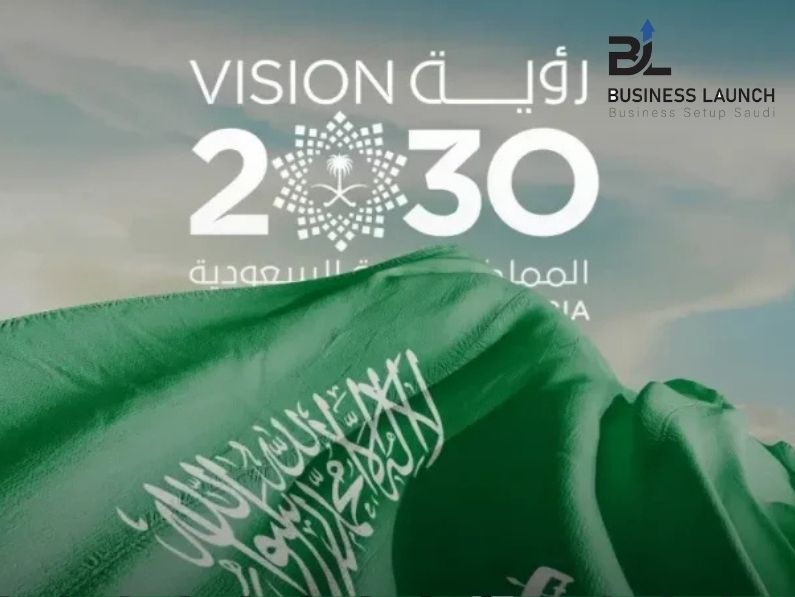
The Kingdom of Saudi Arabia is executing one of the most radical economic transformations in modern history. Driven by Saudi Vision 2030, the Kingdom is systematically diversifying its economy away from oil reliance, unlocking trillions of dollars in commercial expansion, infrastructure development, and private sector innovation. For international corporations, venture capitalists, and multinational enterprises, Vision 2030 business opportunities represent the Middle East’s most lucrative frontier for capital deployment and long-term scaling.
With legislative reforms removing historical ownership barriers, simplifying investment licensing, and offering competitive tax structures, foreign direct investment (FDI) inflows into KSA continue to hit record benchmarks. Whether you operate in artificial intelligence, renewable energy, luxury tourism, advanced manufacturing, or healthcare, understanding how to position your firm within Saudi Arabia’s national development ecosystem is critical.
This comprehensive guide details the flagship Vision 2030 business opportunities available to foreign investors, analyzing regulatory frameworks, priority sectors, legal setup structures, and turnkey market entry strategies.
1. Macroeconomic Context: Why Saudi Arabia is the Global Focus for FDI
Saudi Arabia commands over half of the total economy of the Gulf Cooperation Council (GCC) and serves as the strategic bridge connecting Asia, Europe, and Africa. Under Vision 2030, the government aims to raise foreign direct investment from historically lower levels to 5.7% of national GDP, while increasing the private sector’s contribution to GDP from 40% to 65%.
                  ┌─────────────────────────────────────────┐
                  │    VISION 2030 CORE DIVERSIFICATION     │
                  └────────────────────┬────────────────────┘
                                       │
         ┌─────────────────────────────┼─────────────────────────────┐
         ▼                             ▼                             ▼
┌─────────────────┐           ┌─────────────────┐           ┌─────────────────┐
│ Private Sector  │           │ Foreign Direct  │           │ Non-Oil Exports │
│ GDP Share: 65%  │           │ Investment Target│          │ Target: 50%     │
└─────────────────┘           └─────────────────┘           └─────────────────┘
Strategic Growth Drivers:
-
The Public Investment Fund (PIF): Acting as the primary engine for economic transformation, PIF deploys tens of billions annually into giga-projects, domestic industrial capability, and emerging technology sectors.
-
Regulatory Modernization: Over 1,200 legislative reforms have been passed across corporate law, intellectual property, judicial procedures, and capital market accessibility.
-
Massive Demographic Advantages: Over 63% of the Saudi population is under 30 years old, representing a tech-savvy, highly educated, and high-income consumer base.
To analyze broader Middle East economic forecasts and investment trends, consult global metrics compiled by the World Bank Group.
2. Top High-Growth Sectors for Vision 2030 Business Opportunities
The Saudi economy is expanding rapidly across non-oil sectors. International companies that align their products, technologies, and services with national transformation programs gain access to government tenders, co-investment funds, and long-term commercial contracts.
┌─────────────────────────────────────────────────────────────────────────┐
│              PRIORITY SECTORS UNDER SAUDI VISION 2030                   │
└─────────────────────────────────────────────────────────────────────────┘

  1. Giga-Projects & Infrastructure ──► NEOM, Qiddiya, Red Sea Global, Diriyah
  2. Technology & Artificial Intell. ──► AI, Cloud, Cybersecurity, Fintech
  3. Clean Energy & Utilities        ──► Solar, Wind, Green Hydrogen, Water PPPs
  4. Healthcare & Life Sciences      ──► Pharma, Digital Health, Specialized Care
  5. Tourism & Entertainment         ──► Luxury Resorts, Entertainment Hubs, Events
  6. Advanced Manufacturing & Mining ──► Supply Chain Localisation, Heavy Industry
A. Giga-Projects & Smart City Development
Giga-projects form the cornerstone of Saudi Arabia’s urban and economic reinvention:
-
NEOM: A $500B+ sustainable mega-region incorporating The Line, Oxagon (advanced industrial hub), and Trojena (mountain destination). Foreign opportunities exist in smart city technology, modular construction, clean energy systems, and autonomous transport.
-
Qiddiya: The Kingdom’s premier capital for entertainment, sports, and culture, creating demand for theme park operations, event management, and sports infrastructure.
-
Red Sea Global & Diriyah: Flagship luxury eco-tourism and heritage developments driving demand for green building engineering, hotel management, and sustainable marine logistics.
B. Technology, Artificial Intelligence, & Fintech
Saudi Arabia is rapidly emerging as the digital hub of the MENA region. Through initiatives like the National Strategy for Data and AI (NSDAI), the Kingdom is investing heavily in data centers, cloud computing infrastructure, and generative AI platforms.
-
Fintech Opportunities: Digital payments, open banking, InsurTech, and robo-advisory platforms regulated by the Saudi Central Bank (SAMA).
-
Cybersecurity & Enterprise Software: Surging demand across both government entities and private corporate sectors seeking enterprise automation and secure cloud solutions.
C. Clean Energy, Solar, & Green Hydrogen
Despite its vast petroleum reserves, Saudi Arabia targets 50% renewable energy generation by 2030.
-
National Renewable Energy Program (NREP): Unlocking massive utility-scale solar PV and wind farm developments through public-private partnerships (PPPs).
-
Green Hydrogen: NEOM’s hydrogen plant represents one of the largest global installations, creating industrial supply chain opportunities for international engineering and chemical technology providers.
D. Healthcare & Life Sciences Privatization
The Ministry of Health is actively privatizing hospital management, primary care networks, and specialized clinical services through Public-Private Partnership frameworks. Foreign investors can capitalize on:
-
Local pharmaceutical manufacturing and biotechnology joint ventures.
-
Telemedicine platforms, AI-driven diagnostics, and digital health records systems.
-
Medical device distribution and technical maintenance infrastructure.
To review official investor guidelines and foreign investment licenses across these priority sectors, explore the portal of the Ministry of Investment Saudi Arabia (MISA).
3. Groundbreaking Regulatory Reforms Unlocking Foreign Investment
Recent legislative overhauls have eliminated historical barriers, making it significantly easier for foreign corporations to establish, operate, and scale operations in Saudi Arabia.
Key Legal & Regulatory Milestones:
-
100% Foreign Ownership Rights: Under the updated Investment Law, foreign investors can maintain 100% full equity in companies operating across the vast majority of commercial, service, industrial, and technology sectors without requiring a local Saudi partner.
-
Simplified MISA Licensing: Processing times for foreign investment licenses have been reduced dramatically, with fee suspensions and streamlined digital portals accelerating initial market entry.
-
Special Economic Zones (SEZs): Specialized zones across Riyadh, Jizan, Ras Al Khair, and King Abdullah Economic City offer customized fiscal incentives, including 5% corporate income tax rates for up to 20 years, duty-free machinery imports, and relaxed localization rules.
-
Saudi Premium Residency (Golden Visa): Business owners and high-net-worth investors can obtain self-sponsored long-term residency, giving them the right to own real estate, recruit staff independently, and operate without traditional corporate sponsorship.
To evaluate individual eligibility for self-sponsored investor status, consult the Saudi Premium Residency Center (SAPRC).

See Also
- Expanding Your GCC Business into Saudi Arabia: The Ultimate 2026 Corporate Strategy Guide
- The Ultimate Guide to Opening a Regional Sales Office in Saudi Arabia: Regulations, Strategy, and Execution
- How to Hire Foreign Employees in Saudi Arabia: Complete Compliance & Visa Sponsorship Guide
- HR Compliance Checklist for New Companies in Saudi Arabia: Complete Operational & Labor Law Guide
- GOSI Registration Guide for Employers in Saudi Arabia: Step-by-Step Corporate Compliance
- Premium Residency vs Investor Visa in Saudi Arabia: The Ultimate 2026 Comparison Guide
4. Strategic Entry Pathways for International Businesses
Foreign firms can structure their presence in KSA through several distinct legal vehicles depending on their commercial scope, target client base, and capital strategy.
┌─────────────────────────────────────────────────────────────────────────┐
│                   FOREIGN CORPORATE SETUP OPTIONS                       │
└─────────────────────────────────────────────────────────────────────────┘

  1. LIMITED LIABILITY COMPANY (LLC)
     ├── 100% Foreign Ownership in most sectors
     └── Full commercial capabilities: direct contracting, importing, local sales

  2. FOREIGN COMPANY BRANCH
     ├── Extension of the international parent entity
     └── Direct mirror of global parent company activities

  3. REGIONAL HEADQUARTERS (RHQ) PROGRAM
     ├── Strategic governance hub for MENA operations in Riyadh
     └── 0% tax incentives for 30 years & priority government contract access
The Regional Headquarters (RHQ) Requirement
Foreign companies aiming to secure contracts with Saudi government ministries, state-owned enterprises, and PIF-funded giga-projects must establish a Regional Headquarters in KSA. The RHQ scheme offers extraordinary commercial advantages:
-
Tax Relief: 0% corporate income tax and zero withholding tax on qualifying RHQ activities for 30 years.
-
Uncapped Expatriate Visas: Accelerated work permit processing exempt from standard Saudization quotas for upper-management executives.
-
Government Procurement Priority: Exclusive eligibility to participate in major public tenders issued across the Kingdom.
5. Comparative Overview: Sector Potential & Entry Frameworks
The table below summarizes the key commercial parameters for foreign investors targeting core growth sectors in KSA:
| Industry Vertical | Primary Growth Driver | Key Foreign Entry Structure | Incentive / Framework |
| Tech & Artificial Intelligence | Digital Economy Program, Cloud Computing First Policy | 100% Foreign LLC / Branch | SEZ Tech incentives, Cloud service licenses |
| Infrastructure & Giga-Projects | PIF Capital Outlay (NEOM, Qiddiya, Red Sea) | Joint Venture / Local LLC / RHQ | Long-term procurement preference via RHQ |
| Renewable Energy & Solar | National Renewable Energy Program (NREP) | Independent Power Producer (IPP) / PPP | 25 to 30 year Power Purchase Agreements (PPA) |
| Healthcare & Biotech | MoH Privatization & Digital Health Expansion | Foreign LLC / Healthcare JV | Health Cluster PPP frameworks & SIDF grants |
| Advanced Manufacturing | National Industrial Development & Logistics (NIDLP) | Industrial LLC / SEZ Tenant | Industrial land leases, customs exemptions, SIDF loans |
6. Financial, Tax, and Workforce Compliance Essentials
Operating a compliant, profitable enterprise in Saudi Arabia requires navigating specific tax and labor requirements enforced by government ministries.
┌─────────────────────────────────────────────────────────────────────────┐
│                   SAUDI COMPLIANCE & TAX PROFILE                        │
└─────────────────────────────────────────────────────────────────────────┘

   • Corporate Income Tax (CIT): Flat 20% on net profits for foreign shareholders.
   • Value Added Tax (VAT): 15% standard rate managed digitally via ZATCA.
   • E-Invoicing (FATOORA): Mandatory integration with ZATCA Phase 2 platform.
   • Labor Localization (Nitaqat): Industry-specific Saudi employment quotas.
1. Tax & E-Invoicing Standards (ZATCA)
Foreign businesses in KSA are subject to a flat 20% Corporate Income Tax (CIT) on the net profit share attributable to foreign entities. Value Added Tax (VAT) is set at 15%. Companies must also implement real-time e-invoicing software integrated directly into the national portal.
For official regulations on corporate tax rates, VAT registration thresholds, and e-invoicing compliance, visit the Zakat, Tax and Customs Authority (ZATCA).
2. Workforce Localization (Nitaqat System)
Managed by the government, the Nitaqat system establishes industry-specific quotas for hiring Saudi nationals. Maintaining a “Green” or “Platinum” Nitaqat tier is essential for securing work visas and processing administrative approvals smoothly.
To review employment regulations and workforce quota frameworks, consult the Ministry of Human Resources and Social Development (MHRSD).
7. Step-by-Step Market Entry Roadmap for Foreign Investors
Executing a successful market entry into Saudi Arabia involves a structured legal and administrative pipeline:
[Phase 1: Market Strategy & Legal Structuring]
 ├── Select legal entity type (LLC, Branch, RHQ)
 └── Prepare & legalise corporate documents in home country
       │
       ▼
[Phase 2: MISA Licensing & Commercial Registration]
 ├── Apply for MISA Foreign Investment License
 └── Issue Commercial Registration (CR) from Ministry of Commerce
       │
       ▼
[Phase 3: Physical Setup & Municipal Approval]
 ├── Secure office lease registered on Saudi Ejar portal
 └── Obtain Balady municipal commercial operational permit
       │
       ▼
[Phase 4: Portal Integrations & Bank Setup]
 ├── Register on ZATCA (Tax/VAT) & Qiwa (HR/Visas)
 └── Open local corporate bank account & deposit required capital
8. Accelerate Your Saudi Market Expansion with Expert Advisory
🚀 Tap Into Saudi Vision 2030 Business Opportunities Today
Capitalizing on Saudi Arabia’s economic expansion requires strategic precision, local regulatory expertise, and swift administrative execution. Saudi Investment & Expansion Advisory specializes in helping international companies, venture capital firms, and multinational corporations launch and scale operations across the Kingdom.
Our End-to-End Market Entry Services Include:
MISA Foreign Investment Licensing & Commercial Registration (CR)
Regional Headquarters (RHQ) Setup & Tax Optimization
Special Economic Zone (SEZ) Application Management
ZATCA Tax, VAT, & E-Invoicing Integration
Nitaqat Saudization Compliance & Executive Visa Processing
Etimad Platform Onboarding for B2G Contracting
Let our Riyadh-based team of legal, financial, and government relations experts streamline your setup, allowing you to capture high-value commercial opportunities from Day One.

9. Contact Our Senior Investment Advisors in Riyadh
Business Launch Company | Saudi Arabia Business Setup Experts
Simplifying business formation and corporate growth under Saudi Vision 2030. We handle initial licensing, regulatory compliance, and operational setup for entrepreneurs and corporations.
-
Location: Building 2.08, KAFD, 1st Floor, Riyadh, Saudi Arabia
-
- Phone: +966 53 783 3585 | Email: [email protected]