Saudi Arabia’s massive industrial transformation under Saudi Vision 2030 and the National Industrial Development and Logistics Program (NIDLP) has turned the Kingdom into the premier manufacturing hub of the Middle East. With trillions of dollars directed toward localized production, advanced manufacturing, automotive plants, pharmaceuticals, and renewable technology, foreign investors and local entrepreneurs are moving rapidly to establish industrial operations. However, setting up a factory or production plant in the Kingdom requires securing an official Manufacturing License in Saudi Arabia (often referred to as an Industrial License).
Issued jointly through the Ministry of Investment (MISA) and the Ministry of Industry and Mineral Resources (MIM), this license provides legal authorization to manufacture, import raw materials duty-free, access subsidized industrial land, and secure government funding.
This comprehensive guide breaks down the essential legal steps, regulatory requirements, duty exemptions, site selection options, and tax frameworks needed to obtain a Manufacturing License in Saudi Arabia and launch a successful industrial enterprise.
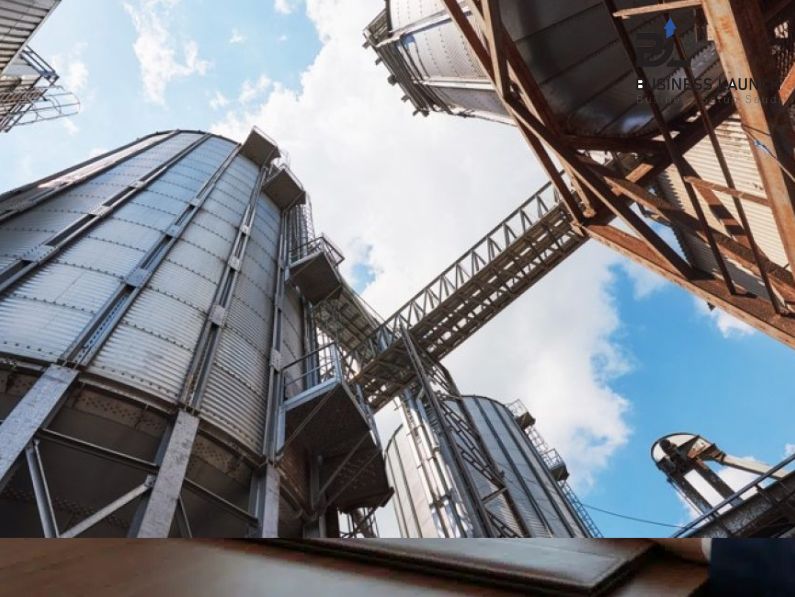
What is a Manufacturing License in Saudi Arabia?
A Manufacturing License in Saudi Arabia is an official regulatory permit granted to businesses operating physical production lines, assembly operations, chemical processing, raw material refining, or industrial packaging facilities within the Kingdom.
Unlike general commercial or service licenses, an industrial license is tied directly to physical plant operations, machinery specifications, factory site locations, environmental compliance, and safety standards.
┌──────────────────────────────────────────────────────────────────────────────────┐
│                      SAUDI INDUSTRIAL REGULATORY FRAMEWORK                       │
└──────┬───────────────────────────┬────────────────────────────┬──────────────────┘
       │                           │                            │
       ▼                           ▼                            ▼
┌───────────────┐           ┌───────────────┐            ┌───────────────┐
│  MISA License │           │   MIM License │           │ MODON / Royal │
│(Foreign Equity│           │(Industrial ID │           │  Commission   │
│   Approval)   │           │ & Operations) │           │ (Factory Land)│
└───────────────┘           └───────────────┘            └───────────────┘
Securing an industrial license unlocks significant government incentives aimed at positioning Saudi Arabia as a global manufacturing powerhouse.
Key Benefits of Securing an Industrial License in KSA
Obtaining a Manufacturing License in Saudi Arabia unlocks a suite of strategic financial and operational incentives designed to maximize industrial profitability:
1. Customs Duty Exemptions on Machinery and Raw Materials
Industrial license holders can apply for customs duty waivers on imported capital equipment, specialized machinery, spare parts, and raw materials used directly in production. This reduces initial setup and operational supply chain costs significantly.
2. Access to Subsidized Industrial Land (MODON & Jubail/Yanbu)
License holders qualify to lease fully serviced industrial land at heavily subsidized rates through entities like the Saudi Industrial Cities and Technology Zones Authority (MODON) and the Royal Commission for Jubail and Yanbu (RCJY).
3. Industrial Financing via SIDF
Manufacturing entities can secure long-term soft loans covering up to 50% to 75% of total project capital requirements through the Saudi Industrial Development Fund (SIDF).
4. Preferential Government Procurement
Under Saudi Arabia’s Local Content and Government Procurement Authority (LCGPA) regulations, local manufacturers receive preferential scoring and exclusive bidding rights on government infrastructure, energy, and defense tenders.
5. Export Support via Saudi Exim Bank
Industrial companies producing goods within KSA can leverage trade finance, credit insurance, and international buyer financing tools provided by the Saudi Export-Import Bank (Saudi EXIM) to scale exports across GCC, African, and European markets.
Key Regulatory Authorities for Saudi Manufacturing
Navigating the industrial setup workflow involves coordinating with several primary government ministries and specialized industrial authorities:
| Entity | Primary Role & Responsibility |
| Ministry of Investment (MISA) | Grants the preliminary foreign investment manufacturing license for non-Saudi shareholders. |
| Ministry of Industry & Mineral Resources (MIM) | Issues the initial industrial approval and final operational Industrial License. |
| MODON / RCJY | Allocates industrial land plots, pre-built factory units, and utility connections. |
| National Center for Environmental Compliance (NCEC) | Evaluates environmental impact assessments (EIA) and grants environmental clearance. |
| Civil Defense (Safety Clearance) | Conducts site inspections to verify fire safety, structural integrity, and chemical storage safety. |
| ZATCA | Handles customs clearance, import duty waivers, Tax Identification Number (TIN) issuance, and VAT filing. |
For detailed information regarding foreign investment regulations and industrial incentives, consult the official Ministry of Investment Saudi Arabia (MISA).
Eligibility Criteria & Prerequisites for Applicants
Before initiating the application for a Manufacturing License in Saudi Arabia, investors and corporate entities must meet core statutory prerequisites:
┌────────────────────────────────────────────────────────────────────────┐
│             MANUFACTURING LICENSE PRE-APPLICATION CHECKLIST            │
└───────────────────────────────────┬────────────────────────────────────┘
                                    │
 ┌──────────────────────────────────┴──────────────────────────────────┐
 │ 1. Detailed Industrial Feasibility Study                           │
 │ Production capacity, machine specs, raw material inputs, & safety  │
 └──────────────────────────────────┬──────────────────────────────────┘
                                    │
 ┌──────────────────────────────────┴──────────────────────────────────┐
 │ 2. Valid Corporate Legal Entity                                     │
 │ Parent company CR or local corporate shareholder registration       │
 └──────────────────────────────────┬──────────────────────────────────┘
                                    │
 ┌──────────────────────────────────┴──────────────────────────────────┐
 │ 3. Environmental Classification & Assessment                       │
 │ Air emissions, wastewater discharge, & hazardous waste management  │
 └──────────────────────────────────┬──────────────────────────────────┘
                                    │
 ┌──────────────────────────────────┴──────────────────────────────────┐
 │ 4. Allocated Factory Location (Lease or Land Approval)             │
 │ MODON plot, RCJY industrial park lease, or approved private site   │
 └─────────────────────────────────────────────────────────────────────┘
-
Comprehensive Industrial Feasibility Study: Detailed documentation covering raw material requirements, machinery specifications, energy/water utility demands, production capacity projections, waste management plans, and target product HS codes.
-
Corporate Legal Documentation (For Foreign Shareholders):
-
Certified Certificate of Incorporation of the foreign parent entity (attested by the Saudi Embassy).
-
Audited financial statements covering 1 to 3 fiscal years.
-
Board Resolution authorizing the establishment of a manufacturing unit in KSA.
-
-
Environmental Classification Approval: Approval from the National Center for Environmental Compliance (NCEC) classifying the plant’s operational impact level (Category 1, 2, or 3).
-
Site Selection & Layout Engineering Plans: Architectural floor plans detailing production lines, raw material storage, hazardous substance containment, and fire safety exits.
To verify general business licensing regulations prior to submitting industrial profiles, refer to the Ministry of Commerce.
See Also
- How to Open a Corporate Bank Account in Saudi Arabia for Foreign Companies
- Commercial Registration (CR) in Saudi Arabia: Complete Guide for Foreign Investors
- The Definitive 2026 Guide: How to Start LLC Saudi Arabia
- Navigating the Workforce Landscape: The Complete Guide to Iqama Services Saudi Arabia
Step-by-Step Guide: How to Obtain a Manufacturing License in KSA
Obtaining an industrial license involves a structured two-phase journey: Phase 1 (Legal Entity Establishment) and Phase 2 (Industrial Operational Authorization).
┌────────────────────────────────────────────────────────────────────────┐
│                    INDUSTRIAL SETUP WORKFLOW IN KSA                    │
└───────────────────────────────────┬────────────────────────────────────┘
                                    │
 ┌──────────────────────────────────┴──────────────────────────────────┐
 │ Step 1: Secure MISA Industrial Investment License                   │
 │ Submit foreign investment application & feasibility study via portal│
 └──────────────────────────────────┬──────────────────────────────────┘
                                    │
 ┌──────────────────────────────────┴──────────────────────────────────┐
 │ Step 2: Issue Industrial Commercial Registration (CR)              │
 │ Reserve trade name & approve Articles of Association with MC        │
 └──────────────────────────────────┬──────────────────────────────────┘
                                    │
 ┌──────────────────────────────────┴──────────────────────────────────┐
 │ Step 3: Land Allocation & Site Lease Execution                      │
 │ Secure MODON / RCJY land plot or rent pre-built industrial unit     │
 └──────────────────────────────────┬──────────────────────────────────┘
                                    │
 ┌──────────────────────────────────┴──────────────────────────────────┐
 │ Step 4: Environmental & Civil Defense Clearances                    │
 │ Obtain NCEC environmental permit & Civil Defense safety approval    │
 └──────────────────────────────────┬──────────────────────────────────┘
                                    │
 ┌──────────────────────────────────┴──────────────────────────────────┐
 │ Step 5: Issue Final MIM Industrial License & Customs Waiver         │
 │ Register on Senaei portal to activate industrial ID & duty waivers │
 └─────────────────────────────────────────────────────────────────────┘
Phase 1: Entity Incorporation & MISA Approval
Step 1: Secure the MISA Foreign Investment Industrial License
For foreign-owned or joint-venture enterprises, apply for a MISA Industrial License via the Invest Saudi portal. Upload the parent company’s attested corporate documents, audited financials, and industrial project overview.
Step 2: Obtain Commercial Registration (CR)
Upon MISA approval, draft and notarize the Articles of Association (AoA) to secure the Commercial Registration (CR) from the Ministry of Commerce with approved manufacturing activity codes (ISIC Classifications).
Phase 2: Industrial Licensing & Site Activation
Step 3: Secure Industrial Land or Pre-Built Factory
Apply for land allocation or lease a ready-built factory through MODON, Jubail & Yanbu (RCJY), King Abdullah Economic City (KAEC), or a licensed private industrial park. Submit plant layout plans and utility load requirements (electricity kW, water supply m³/day).
Step 4: Obtain Environmental & Civil Defense Permits
-
Environmental Permit: Submit an Environmental Impact Assessment (EIA) to NCEC to ensure emissions and waste management meet Saudi standards.
-
Civil Defense Permit: Install mandatory fire suppression systems, emergency exits, and chemical safety containment to pass physical inspection.
Step 5: Issue the MIM Final Industrial License (Senaei Portal)
Log into the Ministry of Industry and Mineral Resources Senaei Portal. Submit site lease agreements, equipment lists, power connection certificates, and environmental approvals. Upon verification, MIM issues the final Industrial License, enabling:
-
Immediate application for raw material and machinery customs duty exemptions.
-
Industrial electricity tariff discount applications.
-
Block visa quota issuance for specialized factory technicians via the Qiwa portal.
For official details on public government procedures, business leaders can consult the GOV.SA Unified National Platform.
Factory Location Options: Where to Build Your Manufacturing Facility
Selecting the right location for your factory directly impacts logistics, supply chain efficiency, utility costs, and government subsidies.
                  ┌─────────────────────────────────────────────────┐
                  │    SELECTING YOUR FACTORY LOCATION IN KSA      │
                  └────────────────────────┬────────────────────────┘
                                           │
         ┌─────────────────────────────────┴─────────────────────────────────┐
         ▼                                                                   ▼
┌─────────────────────────────────┐                         ┌─────────────────────────────────┐
│ MODON INDUSTRIAL CITIES         │                         │ ROYAL COMMISSION (RCJY)         │
│ Ideal for general manufacturing,│                         │ Ideal for heavy industries,     │
│ electronics, food, & pharma     │                         │ petrochemicals, & energy sector │
└─────────────────────────────────┘                         └─────────────────────────────────┘
1. MODON Industrial Cities
MODON manages dozens of industrial cities across Saudi Arabia (such as Riyadh 2nd & 3rd Industrial Cities, Jeddah 2nd & 3rd, and Dammam 2nd & 3rd):
-
Extremely competitive long-term land lease rates.
-
Ready-built smart factories (ranging from 400 m² to 1,500 m²) equipped with utility connections.
-
Integrated logistics zones, residential compounds, and high-capacity electrical grids.
2. Royal Commission for Jubail & Yanbu (RCJY)
RCJY governs world-class industrial hubs in Jubail, Yanbu, Ras Al Khair, and Jazan. These cities are tailored specifically for downstream petrochemical processing, heavy manufacturing, metallurgy, automotive plants, and energy-intensive industrial operations.
3. Special Economic Zones (SEZs)
Saudi Arabia has launched specialized economic zones offering distinct fiscal incentives—such as 0% corporate tax rates for up to 50 years, customs duty suspension on goods inside the zone, and 0% withholding tax on profit transfers. Prominent SEZs include King Abdullah Economic City (KAEC) SEZ, Ras Al Khair SEZ, and Jizan SEZ.
International trade statistics, industrial investment frameworks, and macroeconomic analyses are routinely published by organizations like the World Bank.
Tax, Customs & Financial Compliance Framework
Industrial entities operating in Saudi Arabia must comply with specific fiscal and tax requirements enforced by the Zakat, Tax and Customs Authority (ZATCA):
1. Corporate Income Tax vs. Zakat
-
Zakat (2.5%): Applies to the net Zakat base/capital share owned by Saudi or GCC nationals.
-
Corporate Income Tax (20%): Applies to the net taxable profit share belonging to non-GCC foreign shareholders.
2. Value Added Tax (VAT) & E-Invoicing (Fatoora)
-
Manufacturing entities with annual taxable sales exceeding SAR 375,000 must register for 15% VAT.
-
All commercial invoices generated for local sales, wholesale distribution, or export must comply with ZATCA Phase 1 and Phase 2 e-invoicing (Fatoora) integration standards, utilizing cryptographic stamps and QR codes.
3. Customs Duty Suspension System
Manufacturers can store imported raw materials and intermediate goods in licensed bonded warehouses or Special Economic Zones. deferring customs duties until finished products are cleared for entry into the domestic Saudi market.
Common Challenges and How to Avoid Them
-
Inaccurate Industrial Activity Selection: Selecting incorrect ISIC codes during the MISA or MIM application phase can cause delays when requesting specialized equipment import waivers or environmental permits.
-
Underestimating Utility Requirements: High-power industrial plants (such as plastics moulding or metal forging) must secure power grid allocation commitments early in the site planning process to prevent commissioning delays.
-
Ignoring Saudization (Nitaqat) Quotas: Industrial plants must meet specific Saudization targets for administrative, engineering, and supervisory roles to maintain active status on the Qiwa portal and secure work visas.
Streamline Your Manufacturing Setup with Business Launch Company
Establishing a factory, navigating environmental clearances, securing MISA investment approvals. and obtaining a Manufacturing License in Saudi Arabia requires specialized legal knowledge and seamless coordination across multiple government entities. Managing these processes internally can distract leadership from core engineering and supply chain setup.
That is where Business Launch Company delivers essential value.
At Company Business Launch, we don’t just register companies—we build long-term foundations for success. From industrial incorporation and MISA licensing to site selection assistance, environmental clearing support, and ZATCA tax setup, we manage every aspect of your industrial project in Saudi Arabia with professionalism and precision.
With proven experience serving foreign industrial groups, regional manufacturers, and global brands expanding under Vision 2030, our corporate advisors ensure your factory setup runs smoothly, remains 100% compliant, and is positioned for long-term operational success.

Our Industrial & Manufacturing Setup Services Include:
-
MISA Industrial Investment Licensing: Preparation, document attestation guidance, and approval filing for 100% foreign-owned industrial plants.
-
Factory Site Allocation Support: Assistance with MODON, RCJY, and SEZ land plot applications, pre-built factory leasing, and utility filings.
-
MIM Industrial ID & Customs Duty Waivers: Full management of the Senaei portal registration to secure duty-free raw material and machinery import permits.
-
Tax, ZATCA, & E-Invoicing Compliance: TIN retrieval, VAT registration, Phase 2 Fatoora e-invoicing onboarding, and Zakat/Tax advisory.
-
Saudization & Qiwa Labor Setup: Block visa quota applications, General Manager visa processing, and labor file activation.
Focus on setting up your machinery and production lines while our corporate advisory team handles government workflows.
-
-
📞 Call Us Now: +966 53 783 3585
-
✉️ Support Email: [email protected]
-
Launch Your Industrial Footprint in KSA
Obtaining a Manufacturing License in Saudi Arabia is the master key to unlocking the Middle East’s largest industrial market. By assembling your technical feasibility studies early, selecting the right industrial city location, securing environmental clearances, and partnering with experienced local corporate setup advisors, your business can build a compliant, cost-effective, and highly profitable manufacturing footprint in the Kingdom.