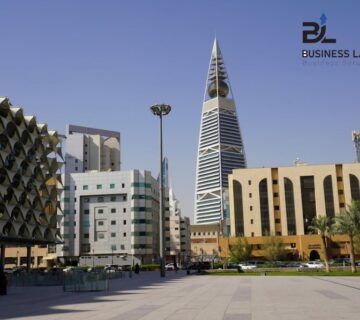
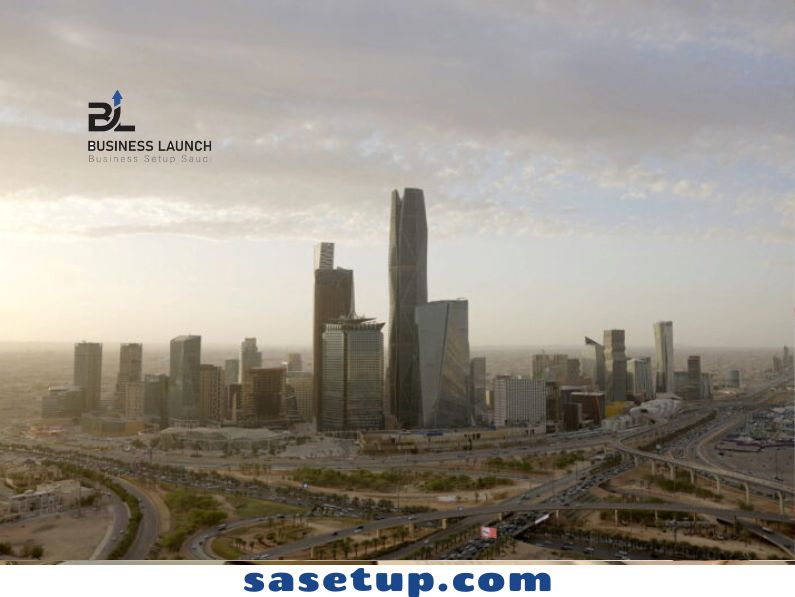
The economic landscape of the Middle East is undergoing a tectonic shift, and at the center of this transformation is the Kingdom of Saudi Arabia. Under the ambitious Vision 2030 roadmap, Riyadh is rapidly evolving into a global corporate powerhouse. One of the most significant pillars of this transition is the Saudi RHQ License (Regional Headquarters License). This initiative is not merely a regulatory update; it is a mandate that redefines how multinational corporations (MNCs) engage with the largest economy in the region.
For any global entity aiming to secure government contracts or capitalize on the Kingdom’s $1 trillion giga-projects, understanding the nuances of the Saudi RHQ License is essential. This guide provides an exhaustive analysis of the requirements, benefits, and the step-by-step process of obtaining this prestigious license in 2026.
1. What is the Saudi RHQ License?
The Saudi RHQ License is a specialized investment license issued by the Ministry of Investment (MISA) in collaboration with the Royal Commission for Riyadh City (RCRC). It is designed for multinational companies that establish their regional center of operations in Saudi Arabia to support, manage, and provide strategic direction to their branches, subsidiaries, and affiliates operating in the MENA (Middle East and North Africa) region.
As of January 2024, the Saudi government implemented a strict policy: any multinational firm that does not hold a Saudi RHQ License will be ineligible to sign contracts with Saudi government agencies, institutions, or independent government-owned funds.
2. Why the Saudi RHQ License is a Game-Changer in 2026
The incentives attached to the Saudi RHQ License are among the most competitive in the world. The Kingdom has created a “Blue Ocean” of opportunities for those who commit to a physical and strategic presence in Riyadh.
A. Unmatched Tax Incentives
The most compelling reason to apply for the Saudi RHQ License is the fiscal package. The Zakat, Tax and Customs Authority (ZATCA) has confirmed:
-
0% Corporate Income Tax: A 30-year holiday on corporate tax for all RHQ-related activities.
-
0% Withholding Tax: Exemption on payments made by the RHQ to non-resident parties (dividends, interest, and royalties) for 30 years.
B. Procurement Advantage
Holding a Saudi RHQ License is the only way for MNCs to access the multi-billion dollar procurement pipeline of the Saudi government. This includes contracts with giga-projects like NEOM, The Red Sea Global, and Qiddiya.
C. Labor and Immigration Perks
The Kingdom has waived several traditional labor restrictions for RHQ holders:
-
Saudization Exemptions: A 10-year exemption from mandatory “Nitaqat” (local hiring) ratios.
-
Uncapped Visas: RHQ entities can issue as many professional work visas as required for their executive team.
-
Spousal Support: Spouses of RHQ employees are granted residency and the right to work within the Kingdom.
3. Eligibility and Requirements to Apply
To qualify for the Saudi RHQ License, an entity must meet a specific set of global and local criteria. This ensures that the RHQ is a genuine management hub rather than just a “shell” office.
-
Multinational Status: The applicant must be a multinational group with a presence in at least two different countries, excluding Saudi Arabia and the home country of the parent company.
-
The “Mandatory Functions” Rule: The RHQ must perform strategic functions, including:
-
Business planning and regional strategy.
-
Management oversight.
-
Financial coordination and treasury.
-
Marketing and brand management for the region.
-
-
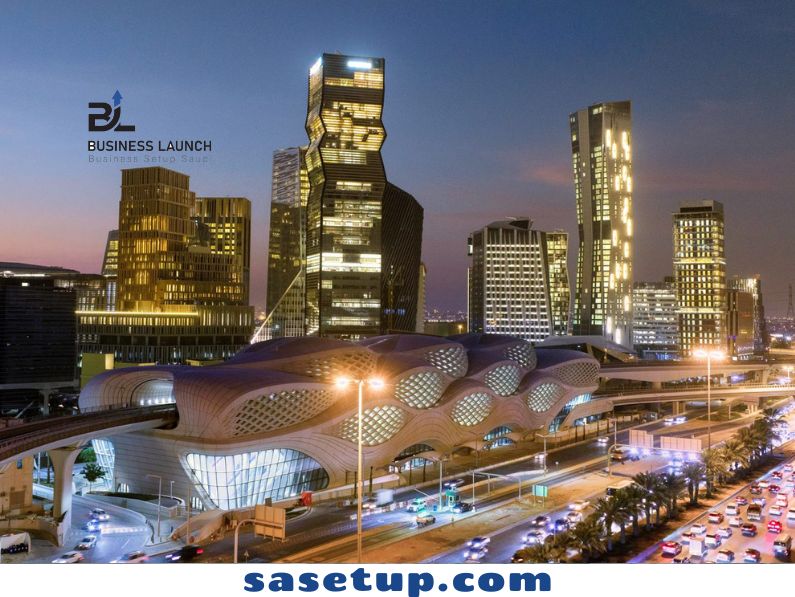
Physical Presence: The company must establish a physical office in Riyadh. Many choose the King Abdullah Financial District (KAFD) for its world-class infrastructure.
-
Staffing Levels: Within one year of obtaining the Saudi RHQ License, the company must employ at least 15 full-time professionals, including three high-level executives (e.g., CEO, CFO, Vice President).
4. The Roadmap to Obtaining Your Saudi RHQ License
Navigating the bureaucratic journey requires precision. A mistake in the initial documentation can lead to significant delays.
Step 1: MISA Portal Application
The process begins with an application on the MISA digital portal. You will need to provide the parent company’s audited financial statements, articles of association, and proof of international branches—all of which must be attested by the Saudi Embassy in your home country.
Step 2: Issuance of the License
Upon approval, MISA issues the Saudi RHQ License. This license allows you to proceed with the Ministry of Commerce to get your Commercial Registration (CR).
Step 3: Office and Address Registration
The RHQ must register a “National Address.” In 2026, many MNCs utilize elite Virtual Office solutions or physical suites in Riyadh’s Digital City to satisfy this requirement immediately.
Step 4: Executive Relocation and Visa Processing
Once the CR is issued, the company can begin the “Qiwa” and “Muqeem” portal registrations to bring in their global executive talent.

See Also
- Launch Business Saudi Arabia: The Ultimate 2026 Comprehensive Guide
- Set Up Your Regional Headquarters in Riyadh, Saudi Arabia: The Definitive 2026 Strategy
- Everything You Need to Know About RHQ Companies in Saudi Arabia (2026 Edition)
- RHQ in Saudi Arabia: Complete Guide to Regional Headquarters Setup (2026)
- MISA License Saudi Arabia: The Definitive Guide to Investing in the Kingdom (2026)
5. Your Expert Partner: Business Launch Company (SA Setup)
Securing a Saudi RHQ License is a high-stakes operation. Most global firms prefer to use a specialized consultancy to act as their local arm. Business Launch Company (commonly known as SA Setup), located in the heart of KAFD, Riyadh, is the premier firm for RHQ establishment.
SA Setup provides a turnkey solution that includes:
-
Attestation Management: Handling the complex international document trail.
-
Licensing & CR Issuance: Direct liaison with MISA and the Ministry of Commerce.
-
KAFD Corporate Presence: Offering prestigious office solutions that match the status of a Regional HQ.
-
GRO & Visa Support: Managing the Qiwa portal to ensure executive visas are processed in record time.
-
Fiscal Compliance: Ensuring the entity remains compliant with ZATCA to maintain the 30-year tax holiday.
Lead the Market: Contact Business Launch Company at +966 53 783 3585 or email [email protected] to start your Saudi RHQ License journey.
6. Financial Implications: Costs and Fees
Maintaining a Saudi RHQ License involves several annual commitments. While the tax savings are massive, the operational costs in 2026 are:
-
MISA License Fee: Approximately SAR 60,000 annually.
-
Commercial Registration Fee: Dependent on the capital and activity.
-
Chamber of Commerce Fee: Required for document authentication.
-
Operational Overhead: Rent in prime Riyadh districts and salaries for the 15 required professionals.
7. The 2026 Strategic Outlook: Beyond the License
The Saudi RHQ License is the “Golden Ticket” to the MENA region. By 2026, Riyadh will have become the primary decision-making center for all regional projects. Companies that fail to establish an RHQ risk being sidelined not only from Saudi government tenders but also from the burgeoning private sector ecosystem that revolves around these government giga-projects.
Sector-Specific Growth
-
Tech & AI: RHQ holders in the tech sector are getting priority access to SDAIA partnerships.
-
Finance: Riyadh is competing with global hubs like London and Singapore, with the RHQ being the entry point for institutional investors.
-
Logistics: The Global Supply Chain Resilience Initiative heavily favors firms with a localized RHQ.
8. Common Challenges and Professional Solutions
-
Complexity of Mandatory Functions: Many firms struggle to prove they are managing the “region.” Solution: SA Setup provides organizational templates that satisfy MISA’s strict auditing requirements.
-
Attestation Hurdles: Documents from the US, UK, or EU often face delays at the Saudi Embassy level. Solution: Utilizing a partner with global GRO reach to expedite the process.
-
Staffing Quotas: Finding 15 professionals within 12 months is a challenge. Solution: Professional recruitment support and utilizing the visa-unclogging benefits of the Saudi RHQ License.
9. Frequently Asked Questions (FAQ)
Q1: Can an RHQ generate revenue directly? No. An RHQ is a management entity. It cannot engage in direct sales or commercial trading. To generate revenue in KSA, you must establish a separate “operating branch” or an LLC, which can be owned by the RHQ.
Q2: Is the 30-year tax holiday guaranteed? Yes, the Saudi government has codified this into law to provide long-term certainty for international investors holding a Saudi RHQ License.
Q3: Does the RHQ need to manage all of MENA? While it is called a “Regional Headquarters,” the focus is on managing branches or subsidiaries in at least two countries outside of Saudi Arabia.
Q4: Can I get an RHQ License if I am a startup? The Saudi RHQ License is primarily aimed at established multinationals with a global footprint. Startups may find better success with an “Innovation License” from MISA.
Q5: What happens if I don’t get an RHQ? You can still operate in the Saudi private sector, but you will be legally barred from bidding on any contract with government ministries or entities like the PIF (Public Investment Fund).

Conclusion: Securing Your Legacy in Riyadh
The Saudi RHQ License is more than a regulatory requirement—it is a strategic asset that places your company at the center of the world’s most ambitious economic transformation. With 0% tax, priority access to trillion-dollar projects, and an elite ecosystem of global peers in Riyadh, the benefits are unparalleled.
However, the complexity of the “Mandatory Functions” and the precision required in government portal management make expert guidance essential. By partnering with localized specialists like Business Launch Company (SA Setup), you can navigate the bureaucracy with ease and focus on what truly matters: leading your industry from the heart of Saudi Arabia.