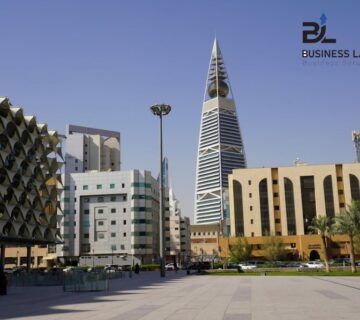

The landscape of global investment is undergoing a profound transformation, and at the epicenter of this evolution lies the Kingdom of Saudi Arabia. For any global enterprise looking to expand, the phrase Foreign Company Saudi Arabia no longer represents a distant possibility—it is now a strategic imperative. Under the ambitious umbrella of Vision 2030, the Kingdom has dismantled decades-old barriers, offering an investment climate that is as fertile as it is fast-moving.
This comprehensive guide serves as a blueprint for international investors, CEOs, and entrepreneurs aiming to navigate the complexities and capitalize on the rewards of operating a Foreign Company Saudi Arabia.

Why the Global Eyes are on Saudi Arabia?
Entering the Saudi market as a foreign entity is more than just a geographic expansion; it is an entry into a G20 economy that is aggressively pivoting from oil-dependency to a diversified, knowledge-based future.
-
Unprecedented Market Size: With the largest GDP in the Middle East, a Foreign Company Saudi Arabia gains access to a high-purchasing-power demographic and a massive government spending pipeline.
-
100% Ownership: In most commercial sectors, the Kingdom now allows 100% foreign ownership, eliminating the historical requirement for a local partner.
-
Pro-Business Legal Reforms: From the New Companies Law to enhanced intellectual property protections, the legal framework has been modernized to match international standards.
-
Strategic Giga-Projects: Whether it is NEOM, The Red Sea Project, or Qiddiya, the scale of infrastructure development provides endless B2B and B2G opportunities.
Legal Structures for a Foreign Company Saudi Arabia
Choosing the right legal vehicle is the first and most critical decision. Each structure has distinct implications for liability, taxation, and operational scope.
1. The Limited Liability Company (LLC)
The LLC is the most common path for a Foreign Company Saudi Arabia. It offers a protective shield for shareholders and allows for a wide range of commercial activities.
-
Ownership: Can be 100% foreign-owned.
-
Capital: Minimum capital requirements vary by sector but must be sufficient to achieve the company’s purpose.
2. Branch Office
A branch office is a popular choice for companies looking to maintain a direct presence without creating a separate legal entity.
-
Liability: The parent company remains fully liable for the branch’s activities.
-
Scope: Limited to the activities of the parent company.
3. Regional Headquarters (RHQ)
As of 2024, the Saudi government has mandated that any Foreign Company Saudi Arabia wishing to bid on government contracts must establish its Regional Headquarters in Riyadh.
-
Incentives: Includes a 0% corporate tax rate for 30 years and exemptions from certain Saudization requirements.
4. Technical and Scientific Office (Scientific Office)
Ideal for pharmaceutical or highly technical firms that wish to provide support to local distributors without engaging in direct commercial trade.
The MISA Licensing Process: Your Gateway to the Kingdom
Every Foreign Company Saudi Arabia must pass through the Ministry of Investment (MISA). Unlike local companies that go straight to the Ministry of Commerce, foreign entities require an investment license first.
Types of MISA Licenses:
-
Service License: For consulting, IT, and professional services.
-
Industrial License: For manufacturing and heavy industry.
-
Trading License: For wholesale and retail (requires specific capital and localization commitments).
-
Real Estate License: For property development projects.
Step-by-Step: Establishing Your Foreign Company Saudi Arabia
Setting up a business in a foreign land can be daunting, but the Saudi process has become increasingly digitized and streamlined.
1: Pre-Incorporation
-
Document Attestation: Your parent company’s constitutional documents (AoA, Certificate of Incorporation) must be legalized at the Saudi Embassy in your home country.
-
Market Study: Ensure your business activity is permitted for foreign investment.
2: MISA Application
-
Submit your application via the MISA portal. You will need to provide a board resolution stating the intent to open a Foreign Company Saudi Arabia and appoint a General Manager.
3: Commercial Registration (CR)
-
Once MISA approves, you apply for the CR from the Ministry of Commerce. This is your official legal identity in the Kingdom.
4: Post-Registration Compliance
-
ZATCA Registration: Register with the Zakat, Tax and Customs Authority for Corporate Income Tax and VAT.
-
Chamber of Commerce: Join the local chamber in your city of operation.
-
National Address: Secure a physical office space and register it.

See Also
- The Comprehensive Guide to Start LLC in Saudi Arabia: A Gateway to Vision 2030
- Starting a Business in Saudi Arabia: Complete Investor Guide
- Starting a Business in Saudi Arabia: A Complete Guide for Investors
- How to Launch Your Business in Saudi Arabia from Abroad
The Strategic Solution: Business Launch Company (SA Setup)
Navigating the landscape of a Foreign Company Saudi Arabia requires more than just following a checklist; it requires deep local intelligence and a network that can cut through red tape. Business Launch Company, based in the prestigious King Abdullah Financial District (KAFD) in Riyadh, is the premier partner for international firms entering the Saudi market.
Specializing in “Turnkey Entry,” Business Launch Company manages the entire lifecycle of your expansion. From securing the initial MISA license and managing complex Government Relations (GRO) to providing Virtual Office solutions and HR/Payroll support, they ensure your transition is seamless. Their expertise in Zakat, VAT, and legal restructuring ensures that your Foreign Company Saudi Arabia remains fully compliant with the latest Vision 2030 regulations. By acting as your local bridge, Business Launch Company allows you to focus on growth while they handle the administrative and legal heavy lifting.
Tax and Financial Considerations
Operating a Foreign Company Saudi Arabia involves a different tax profile than a 100% Saudi-owned entity.
| Tax Type | Rate for Foreign Entities | Notes |
| Corporate Income Tax | 20% | Applied to the net profit of the foreign share. |
| VAT | 15% | Standard rate on most goods and services. |
| Withholding Tax | 5% – 20% | Applied to payments made to non-residents (e.g., royalties, management fees). |
| Zakat | N/A | Zakat (2.5%) generally applies to Saudi/GCC-owned portions. |
Saudization and Labor Laws (Nitaqat)
A key pillar of Vision 2030 is increasing the participation of Saudi nationals in the private sector. Every Foreign Company Saudi Arabia must adhere to the Nitaqat system.
-
Quotas: Depending on your industry and company size, a specific percentage of your workforce must be Saudi.
-
Qiwa Platform: All labor contracts and employee management are handled through the Qiwa portal.
-
Incentives: The government offers various subsidies (via HRDF) to help companies train and employ Saudi talent.
Sector Opportunities for Foreign Investors
| Sector | Opportunity for Foreign Companies |
| Renewable Energy | Massive solar and wind projects to meet net-zero targets. |
| Fintech | A rapidly evolving regulatory sandbox for digital banking and payments. |
| Healthcare | Privatization of hospitals and the digital health transformation. |
| Entertainment | Development of cinemas, theme parks, and global sporting events. |
Practical Realities: Banking and Housing
Corporate Banking
Opening a bank account for a Foreign Company Saudi Arabia can be rigorous. Banks require full transparency regarding “Ultimate Beneficial Owners” (UBOs). It is advisable to maintain a relationship with a global bank that has a strong presence in Riyadh.
The Rise of Riyadh
Riyadh is transforming into a global metropolis. Most foreign companies find that being in the capital is essential for networking and government relations, while Jeddah remains the gateway for trade and logistics.
Common Pitfalls to Avoid
-
Underestimating Timeline: While the license is fast, opening a bank account and getting visas can take several weeks.
-
Ignoring Local Nuance: Success in Saudi Arabia is built on relationships. “Cold-calling” rarely works; warm introductions and physical presence are vital.
-
Non-Compliance: Saudi authorities are increasingly digitalized. Fines for VAT non-compliance or labor violations are issued automatically through integrated systems.

Conclusion: The Future of the Foreign Company Saudi Arabia
Establishing a Foreign Company Saudi Arabia is no longer just about accessing a market; it is about participating in an economic renaissance. The Kingdom is not just looking for investors; it is looking for partners who will bring technology, knowledge, and innovation to the table.
With a clear strategy, a deep understanding of the regulatory environment, and the right local partnership, the Saudi market offers a growth trajectory that is perhaps unmatched anywhere else in the world today. The window of opportunity is wide open—now is the time to step through it.
Quick FAQ for Foreign Investors
-
What is the minimum investment? While many service sectors have no set minimum, industrial and trading licenses often require specific capital commitments.
-
Do I need a physical office? Yes, a registered physical address (or a verified virtual office for certain activities) is required to issue the Commercial Registration.
-
Is it easy to hire expats? Yes, provided you meet your Saudization (Nitaqat) targets, you can apply for work visas (Iqamas) for international staff.