

Saudi Arabia’s strategic position at the crossroads of three continents—Asia, Europe, and Africa—makes it one of the world’s most dynamic trade and logistics hubs. Under Saudi Vision 2030, the Kingdom is executing a multi-billion-dollar logistics expansion, upgrading sea ports, expanding air cargo capacity, and modernizing cross-border customs infrastructure. For international manufacturers, global distributors, e-commerce brands, and local trading enterprises, securing an Import and Export License in Saudi Arabia is the fundamental requirement to trade physical goods across Saudi borders legally. Whether you plan to import industrial machinery, consumer electronics, pharmaceuticals, cosmetics, or foodstuffs—or export Saudi-manufactured products globally—understanding KSA’s licensing framework is essential for operational success.
This detailed guide outlines the legal structures, digital trade portals, step-by-step registration processes, product conformity standards, customs regulations, and administrative timelines for securing an Import and Export License in Saudi Arabia.
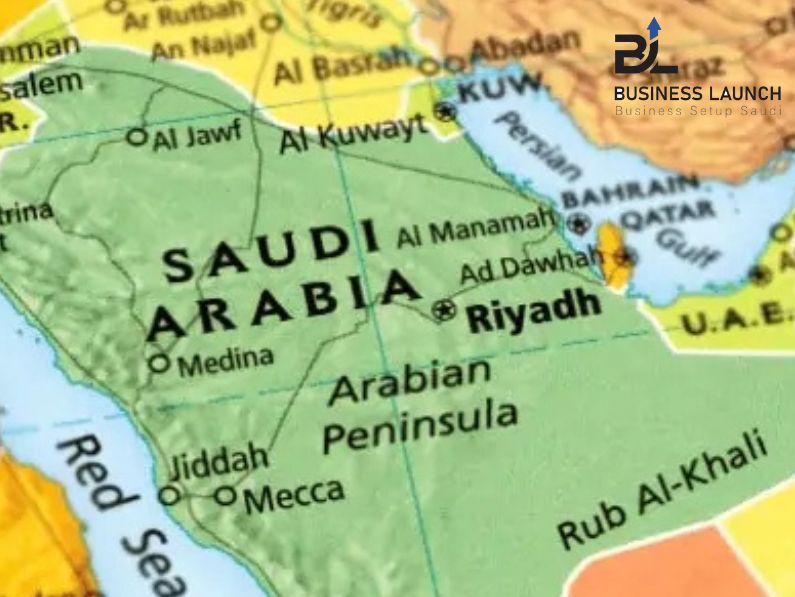
1. Why Enter the Saudi Import and Export Market?
Saudi Arabia represents the largest economy in the Middle East, with consumer spending and infrastructure development operating at unprecedented levels.
                  ┌─────────────────────────────────────────┐
                  │      SAUDI TRADE & LOGISTICS DRIVERS    │
                  └────────────────────┬────────────────────┘
                                       │
         ┌─────────────────────────────┼─────────────────────────────┐
         ▼                             ▼                             ▼
 ┌───────────────┐             ┌───────────────┐             ┌───────────────┐
 │ $100 Billion+ │             │ 100% Foreign  │             │ Unified Single│
 │ Logistics &   │             │ Ownership for │             │ Window Trade  │
 │ Supply Chain  │             │ Trading &     │             │ Portals       │
 │ Investment    │             │ Distribution  │             │ (FASAH/SABER) │
 └───────────────┘             └───────────────┘             └───────────────┘
Key commercial advantages of acquiring an Import and Export License in KSA include:
-
100% Foreign Ownership in Commercial Trading: Through the Ministry of Investment Saudi Arabia (MISA), foreign international entities can establish 100% foreign-owned wholesale, retail, and trading enterprises without a local Saudi partner.
-
Streamlined Customs Infrastructure: Saudi Arabia has radically simplified its cross-border operations through digital integration between customs, port authorities, and quality compliance databases.
-
Growing Domestic Consumer Market: A rapidly expanding population with high purchasing power drives massive demand for imported consumer goods, technology, automotive parts, and luxury items.
-
Strategic Re-Export Capabilities: Special Economic Zones (SEZs) and bonded logistics zones allow trading companies to store, assemble, and re-export goods duty-free throughout the GCC and MENA regions.
2. Key Regulators Governing Saudi Import and Export Operations
Executing an Import and Export License setup requires interfacing with specific regulatory and customs entities:
┌─────────────────────────────────────────────────────────────────────────┐
│                 SAUDI TRADE REGULATORY LANDSCAPE                        │
├─────────────────────────────────────────────────────────────────────────┤
│  1. MISA (Ministry of Investment): Foreign Trading License.             │
│  2. MoC (Ministry of Commerce): Commercial Registration (CR) & Scope.    │
│  3. ZATCA (Zakat, Tax & Customs Authority): Customs Duties & Tariffs.  │
│  4. FASAH Platform: National Single-Window Trade Clearance System.     │
│  5. SABER Platform (SASO): Product Technical Conformity Certificates.   │
│  6. SFDA (Saudi Food & Drug Authority): Regulated Goods Clearances.    │
└─────────────────────────────────────────────────────────────────────────┘
-
Ministry of Investment Saudi Arabia (MISA): Issues foreign investment licenses permitting international corporations to conduct commercial trading, wholesale distribution, and retail operations in KSA.
-
Ministry of Commerce (MoC): Grants the primary Commercial Registration (CR) containing authorization codes for importing, exporting, and wholesale trading.
-
Zakat, Tax and Customs Authority (ZATCA): Manages national customs ports, enforces import tariffs, collects Value-Added Tax (VAT), and oversees corporate tax compliance.
-
FASAH Platform: The official national single-window digital portal connecting importers, exporters, customs brokers, freight forwarders, and port authorities.
-
SABER Platform: Managed by the Saudi Standards, Metrology and Quality Organization (SASO), SABER issues mandatory Product and Shipment Certificates of Conformity prior to customs clearance.
-
Saudi Food and Drug Authority (SFDA): Regulates the clearance, testing, and approval of imported foodstuffs, pharmaceuticals, medical devices, and cosmetics.
3. Legal Business Structures for Trading Enterprises
Selecting the appropriate corporate structure determines capital requirements and operational flexibility when applying for an Import and Export License:
| Entity Structure | Foreign Ownership | Minimum Capital Requirement | Best Suited For |
| MISA 100% Foreign Commercial Trading LLC | 100% Foreign | SAR 26 Million (Committed over 5 years + SAR 300K initial capital) | Global retail brands, major wholesale distributors, and multi-national trading houses. |
| MISA Foreign Joint Venture Trading LLC | Foreign + Saudi Partner | Flexible standard LLC capital (SAR 100,000 recommended) | International trading entities partnering with a local Saudi partner holding at least 25% equity. |
| Branch of a Foreign Manufacturing Entity | 100% Foreign Parent | Evaluated based on parent balance sheet | Overseas factories importing their own manufactured goods directly into KSA for distribution. |
| 100% Saudi-Owned Trading LLC / Est. | 100% Saudi / GCC | Standard Commercial Establishment capital | Local Saudi entrepreneurs and regional investors setting up import/export businesses. |
4. Types of Import & Export Licenses and Product Categories
Import activities in Saudi Arabia are categorized into General Commercial Importation and Restricted / Regulated Importation:
┌─────────────────────────────────────────────────────────────────────────┐
│                    IMPORT PRODUCT CLASSIFICATION                        │
└─────────────────────────────────────────────────────────────────────────┘

   GENERAL COMMERCIAL GOODS                 REGULATED CONSUMER GOODS             RESTRICTED / SPECIAL GOODS
  ┌─────────────────────────────┐    ┌─────────────────────────────┐    ┌─────────────────────────────┐
  │ • Textiles & Apparel        │    │ • Food & Beverages          │    │ • Industrial Chemicals      │
  │ • Building Materials        │    │ • Cosmetics & Skincare      │    │ • Wireless & Telecom Equipment│
  │ • General Furniture & Decor │    │ • Pharmaceuticals & Medical │    │ • Defense & Security Items  │
  │ • Non-Regulated Electronics │    │ • Electrical Appliances     │    │ • Hazardous Materials       │
  └─────────────────────────────┘    └─────────────────────────────┘    └─────────────────────────────┘
1. General Commercial Goods
Items like non-regulated electronics, apparel, homeware, and raw industrial materials require standard Commercial Registration (CR) import activity codes, SABER conformity certificates, and ZATCA customs clearance.
2. SFDA-Regulated Products
Food items, beverages, nutritional supplements, medical devices, pharmaceuticals, and cosmetic products require prior entity registration and product classification on SFDA platforms (GHAD, eCosma, or Clearance Portal) before shipping.
3. Specialized / Restricted Goods
Wireless telecommunications equipment requires approval from the Communications, Space and Technology Commission (CST). Chemicals, hazardous materials, and industrial gases require permits from the Ministry of Energy or Environment, Water and Agriculture (MEWA).

See Also
- Marketing Agency Registration Guide in Saudi Arabia: The Complete 2026 Legal & Operational Handbook
- Complete Guide to Consulting Company Registration in Saudi Arabia
- IT Company Registration in Saudi Arabia: The Ultimate 2026 Tech Founder & Legal Guide
- Top Growing Industries in Saudi Arabia: The Complete 2026 Investor Guide
- Expanding Your GCC Business into Saudi Arabia: The Ultimate 2026 Corporate Strategy Guide
- GOSI Registration Guide for Employers in Saudi Arabia: Step-by-Step Corporate Compliance
5. Step-by-Step Import and Export License Setup Roadmap
Securing a complete Import and Export License in Saudi Arabia requires a sequential process across regulatory and customs systems:
┌─────────────────────────────────────────────────────────────────────────┐
│              IMPORT & EXPORT LICENSE REGISTRATION FLOWCHART             │
└─────────────────────────────────────────────────────────────────────────┘

  Step 1: Secure MISA Investment License (For Foreign Investors)
    │
    ▼
  Step 2: Issue Ministry of Commerce Commercial Registration (CR)
    │
    ▼
  Step 3: Register Entity on FASAH Trade Portal & Authorize Customs Broker
    │
    ▼
  Step 4: Register Products & Issue Certificates of Conformity on SABER
    │
    ▼
  Step 5: Physical Office Setup, Municipal Permit (Balady) & Ejar Lease
    │
    ▼
  Step 6: ZATCA Customs Integration, VAT Setup, & Corporate Banking
Step 1: Secure MISA Foreign Investment License (Non-GCC Investors)
Foreign corporate entities must first apply for a Trading / Commercial Investment License via MISA.
-
100% Foreign Ownership Option: Requires submission of an investment plan committing to capital investments (e.g., SAR 26 Million over 5 years) and local training programs.
-
Joint Venture Option: Partnering with a Saudi citizen or Saudi-owned company (minimum 25% Saudi shareholding) allows for standard professional trading setup requirements.
Step 2: Commercial Registration (CR) with Import/Export Activity Codes
Proceed to the Ministry of Commerce portal to issue your Commercial Registration.
-
Select specific ISIC Rev. 4 activity codes covering “Wholesale and Retail Trade; Repair of Motor Vehicles and Motorcycles” and explicitly include import/export permissions.
-
Finalize and digitally notarize the company’s Articles of Association (AoA).
Step 3: Register on the FASAH National Trade Platform
Once the Commercial Registration (CR) is active, register your business entity on the FASAH Platform.
-
Customs Account Linkage: FASAH links your CR directly to ZATCA’s customs database, generating an official Importer/Exporter Customs Code.
-
E-Customs Broker Authorization: Electronically issue power-of-attorney authorizations (E-Authorization) to licensed Saudi customs clearance agents through FASAH.
Step 4: SABER Registration & Conformity Certification
Before shipping regulated commercial goods to Saudi Arabia, products must undergo technical evaluation via the SABER Platform.
┌─────────────────────────────────────────────────────────────────────────┐
│                    SABER TWO-STAGE CERTIFICATION                        │
└─────────────────────────────────────────────────────────────────────────┘

  STAGE 1: Product Certificate of Conformity (PCoC)
  Issued online per product model. Valid for 1 year. Requires testing
  reports from an accredited Conformity Assessment Body (CAB).

  STAGE 2: Shipment Certificate of Conformity (SCoC)
  Issued for each specific imported container shipment. Valid only for that
  individual consignment entering KSA customs.
Step 5: Commercial Office Setup & Municipal Clearance
Every licensed importer and exporter must maintain an audited commercial address:
-
Ejar Registered Lease: Secure commercial office space registered in the national Ejar database.
-
Balady Municipal License: Obtain operational municipal approval from MOMRAH confirming office zoning compliance.
Step 6: ZATCA Tax, VAT, Customs Account & Bank Opening
Finalize commercial setup for importing:
-
Customs Duty Account: Activate your corporate account with ZATCA Customs to pay import tariffs, VAT, and port handling fees.
-
VAT Registration: Charge 15% VAT on domestic sales and process VAT deferral on qualifying imports.
-
Corporate Banking: Open commercial accounts with major Saudi banks for international Letters of Credit (LCs), telegraphic transfers (TT), and FX settlements.
6. Required Documents for Import and Export Customs Clearance
When goods arrive at Saudi sea ports, air hubs, or land borders, your customs broker submits the following documentation through the FASAH system:
┌─────────────────────────────────────────────────────────────────────────┐
│                MANDATORY CUSTOMS CLEARANCE DOCUMENTS                    │
├─────────────────────────────────────────────────────────────────────────┤
│  1. Commercial Invoice: Attested, detailing HS Codes & line item values.│
│  2. Certificate of Origin (COO): Authenticated by Chamber of Commerce. │
│  3. Bill of Lading (BOL) / Air Waybill (AWB): Issued by sea/air carrier.│
│  4. Detailed Packing List: Specifying net/gross weights & container units.│
│  5. SABER Shipment Certificate (SCoC): Generated via SABER platform.   │
│  6. Specialized Approvals: SFDA permit, CST approval, or MEWA clearings.│
└─────────────────────────────────────────────────────────────────────────┘
7. Estimated Cost and Timeline Framework
Understanding cost structures helps foreign and local business owners budget accurately for their Import and Export License:
| Setup Stage / Fee Category | Estimated Cost (SAR) | Typical Timeline |
| MISA Commercial Investment License | SAR 2,000 (Application) + SAR 10,000 (Year 1) | 3 – 7 Business Days |
| Commercial Registration (MoC) | SAR 1,200 – 2,000 | 1 – 2 Business Days |
| Chamber of Commerce Membership | SAR 2,000 – 10,000 (Based on capital tier) | Same Day |
| FASAH Platform Registration | Nominal administrative fee | 1 – 2 Business Days |
| SABER Product Certificate (PCoC) | SAR 500 – 3,000 (Per product model / year) | 2 – 5 Business Days |
| SABER Shipment Certificate (SCoC) | ~ SAR 350 – 500 (Per shipment consignment) | 1 Business Day |
| Ejar Office Lease & Balady Permit | SAR 2,000 – 5,000 | 2 – 4 Business Days |
| Total Estimated Setup Window | — | 2 to 4 Weeks |
8. Customs Tariffs, VAT, and Regulatory Compliance
-
Customs Duties: Saudi Arabia applies the GCC Unified Customs Tariff. Most basic goods incur a 5% customs duty, while protected local agricultural/industrial products may range between 10% to 15%. Certain basic foodstuffs and pharmaceuticals enjoy 0% duty rates.
-
Value-Added Tax (VAT): Import VAT in Saudi Arabia is 15%, calculated on the CIF value (Cost, Insurance, and Freight) plus customs duties.
-
Invoicing Compliance: Importers must ensure supplier invoices feature exact Harmonized System (HS) codes, matching line item values, and clear currency declarations to prevent customs valuation disputes.
9. Business Launch Company: Your Trusted Import & Export Setup Partner
Launching a trading, distribution, or import/export business in Saudi Arabia requires managing MISA foreign investment approvals, Ministry of Commerce registrations, FASAH portal setups, SABER conformity certifications, and ZATCA tax rules. Business Launch Company delivers comprehensive, turnkey corporate setup services for international trading enterprises, global manufacturers, and local importers.
🚀 Launch Your Trading Business in KSA with Business Launch Company
At Business Launch Company, we make market entry into Saudi Arabia seamless. From securing your MISA commercial investment license and Commercial Registration to setting up FASAH customs integration, SABER registrations, municipal leases, and corporate bank opening, our local setup experts handle every administrative detail. Expand into KSA’s thriving import/export market with confidence under Vision 2030.
┌─────────────────────────────────────────────────────────────────────────┐
│             COMPLETE SETUP SERVICES BY BUSINESS LAUNCH COMPANY           │
└─────────────────────────────────────────────────────────────────────────┘

  🏛️ Commercial Licensing & MISA
  Full execution of MISA commercial licenses, 100% foreign trading setups,
  MoC commercial registrations, trade name reservations, and AoA notarization.

  📦 Customs, FASAH & SABER Integration
  Setup of FASAH customs accounts, broker e-authorizations, SABER account creation,
  and product conformity assessment coordination.

  🏛️ GRO & Government Liaison Services
  Dedicated GRO support for ZATCA tax setup, Qiwa labor file activation,
  Nitaqat Saudization strategy, and commercial visa processing.

  🏢 Commercial Leasing & Municipal Permits
  Sourcing commercially compliant office and warehouse premises, Ejar lease registration,
  Balady permits, and Civil Defense clearances.

  ⚖️ Finance, Tax & Banking Onboarding
  Assistance with ZATCA VAT registration, customs duty deferral setups,
  bookkeeping frameworks, and local commercial bank account opening.
Contact Information & Corporate Headquarters
Take the first step toward securing your Import and Export License in Saudi Arabia:
-
Company Name: Business Launch Company
-
📞 Direct Phone / WhatsApp: +966 53 783 3585

✉️ Support Email:          [email protected]

🌐 Official Portal:        www.sasetup.com
-
Physical Address: King Abdullah Financial District (KAFD), Riyadh, Kingdom of Saudi Arabia

10. Frequently Asked Questions (FAQs)
Can a foreign company own 100% of an import/export trading firm in KSA?
Yes. Under MISA regulations, foreign investors can obtain a 100% foreign-owned commercial trading license in Saudi Arabia by meeting MISA investment commitments or by establishing a joint venture with a Saudi partner holding equity.
What is the difference between FASAH and SABER platforms?
FASAH is the national single-window portal used for submitting customs declarations, tracking shipments, paying customs duties, and authorizing customs clearance agents. SABER is the technical compliance portal managed by SASO to issue Product Certificates of Conformity (PCoC) and Shipment Certificates of Conformity (SCoC).
Is physical office or warehouse space required to get an import license?
Yes. To complete Commercial Registration (CR), municipal licensing (Balady), and labor file activation, your company must possess a verified commercial address registered in the national Ejar database.
How long does the entire import/export company setup take?
When all parent company documents are legalized and translated into Arabic, obtaining your MISA license and Commercial Registration (CR) takes 1 to 2 weeks. Completing FASAH setup, SABER product registration, office leasing, and corporate bank account activation takes an additional 2 to 3 weeks.