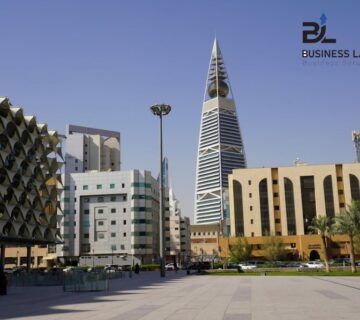
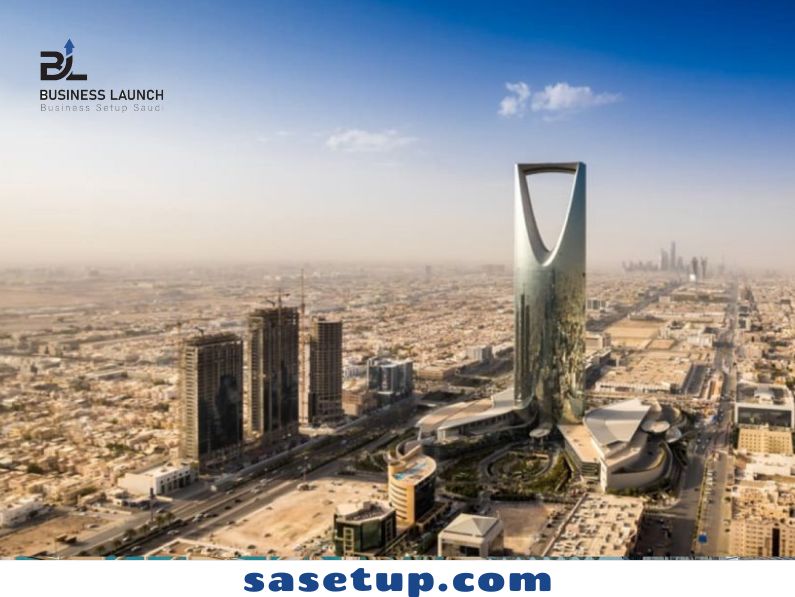
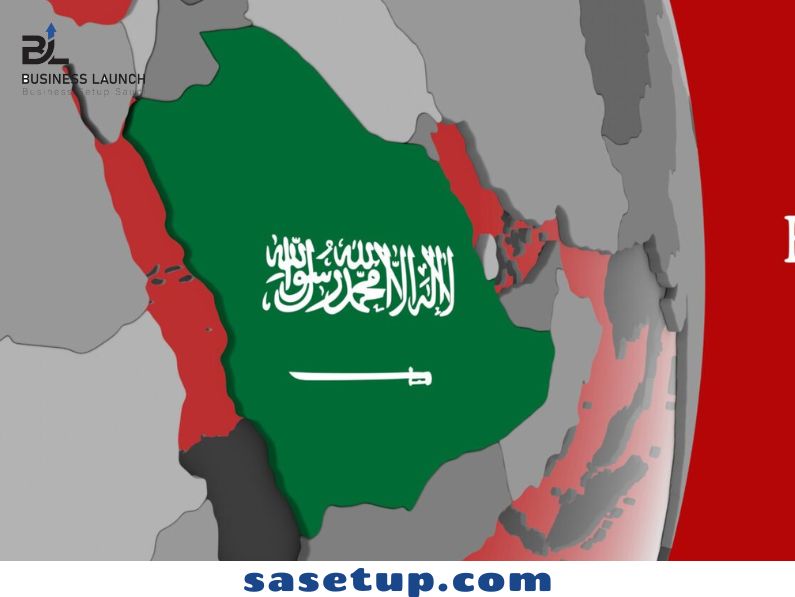
The global economic map is being redrawn, and at its center lies a powerhouse of transformation. As we move through 2026, the Kingdom of Saudi Arabia (KSA) has solidified its position as the primary destination for international capital, innovation, and infrastructure development. Driven by the ambitious Vision 2030 roadmap, the Kingdom has transitioned from an oil-dependent giant into a diversified, hyper-modern economy. For global CEOs and entrepreneurs, the decision to Expand Business to Saudi Arabia is no longer a futuristic consideration—it is a strategic necessity for those seeking to lead in the MENA region.
This comprehensive guide explores the regulatory landscape, the untapped market opportunities, and the operational steps required to successfully Expand Business to Saudi Arabia in the current fiscal year.
1. The 2026 Landscape: Why Now?
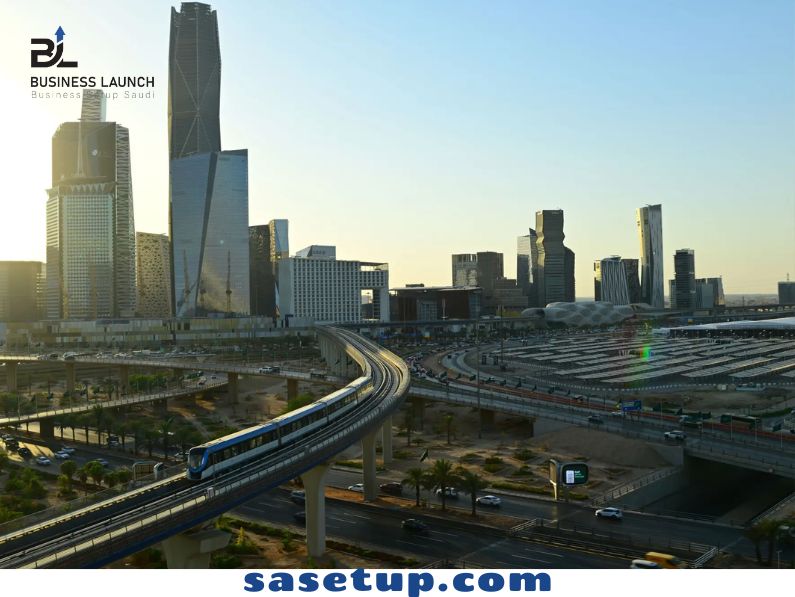
The momentum to Expand Business to Saudi Arabia has reached a fever pitch. In 2026, the Kingdom isn’t just “opening up”; it has already built the infrastructure for a post-oil future.
-
The Trillion-Dollar Pipeline: With giga-projects like NEOM and the Red Sea Global reaching operational phases, the demand for supply chain, tech, and service providers is unprecedented.
-
A Youthful Hub: With over 60% of the population under the age of 35, the Kingdom offers a tech-savvy, high-spending consumer base that is hungry for global brands.
-
The Expo 2030 & World Cup Effect: The countdown to these global events has triggered a massive surge in hospitality, entertainment, and construction tenders.
2. Choosing the Right Entry Strategy
When you decide to Expand Business to Saudi Arabia, your legal structure dictates your market access and tax liabilities.
A. Limited Liability Company (LLC)
The most common vehicle for foreign investors. It allows for 100% foreign ownership in most sectors and provides a robust legal framework for long-term operations.
B. Branch Office
Ideal for established global firms that want to maintain their international brand identity. A branch is a direct extension of the parent company, allowing you to leverage your global track record for Saudi government tenders.
C. Regional Headquarters (RHQ)
If your goal is to manage the Middle East from Riyadh, the RHQ Program offers a 30-year tax holiday at 0% and is a requirement for companies wishing to engage in government contracts exceeding SAR 1 million.
3. The Roadmap to Success: A Step-by-Step Guide
The process to Expand Business to Saudi Arabia has been revolutionized by digital governance. Here is the 2026 blueprint:
Step 1: Secure the MISA Investment License
The Ministry of Investment (MISA) is your first port of call. You must obtain an investment license that matches your business activity. MISA has streamlined this process, often issuing licenses to qualified firms in just a few business days.
Step 2: Commercial Registration (CR)
Upon receiving your MISA license, you must register with the Ministry of Commerce. This grants you a CR number—your “business identity” in the Kingdom.
Step 3: National Address and Chamber of Commerce
Every business must have a verified physical or elite virtual address. Registration with the local Chamber of Commerce is also mandatory for document authentication.
Step 4: Tax and Zakat Registration
You must link your business to the Zakat, Tax and Customs Authority (ZATCA). In 2026, this includes immediate enrollment in the E-invoicing (Fatoora) system.
4. Key Sectors for Expansion in 2026
Where should you focus your efforts when you Expand Business to Saudi Arabia?
-
Renewable Energy & ESG: Following the Saudi Green Initiative, there is a massive push for solar, wind, and hydrogen technologies.
-
Fintech & Digital Banking: The Saudi Central Bank (SAMA) has created a regulatory sandbox that has made Riyadh a global fintech hub.
-
Advanced Manufacturing: The National Industrial Development and Logistics Program (NIDLP) offers significant incentives for localized manufacturing.
-
HealthTech: With a growing population, digital health solutions and localized pharma production are high-priority sectors.
5. Your Strategic Partner: Business Launch Company (SA Setup)
The technicalities of government portals (Qiwa, Muqeem, MISA) and the nuances of Saudi labor law can be complex. Business Launch Company (widely known as SA Setup), based in the prestigious King Abdullah Financial District (KAFD) in Riyadh, is the premier partner for firms looking to Expand Business to Saudi Arabia.
SA Setup provides a turnkey expansion solution:
-
Licensing & Legal: Managing the end-to-end MISA and CR process.
-
PRO & GRO Services: Handling work visas, residency permits (Iqamas), and labor file activations.
-
Elite Office Solutions: Providing a prestigious KAFD footprint that satisfies the National Address requirements.
-
Ongoing Compliance: Managing VAT filings, Zakat, and MISA renewals.
Accelerate Your Growth: Contact the experts at +966 53 783 3585 or email [email protected] to initiate your expansion today.
See Also
- Navigating the Workforce Landscape: The Complete Guide to Iqama Services Saudi Arabia
- Mastering the Landscape: The Ultimate Guide to Government Relations Saudi Arabia
- Business Visa Saudi Arabia: The Ultimate 2026 Comprehensive Guide
- Qiwa Services Saudi Arabia: The Ultimate 2026 Strategic Guide to Labor Compliance
- Investor Visa Saudi Arabia: The Ultimate 2026 Comprehensive Guide
6. Navigating the Human Element: Saudization (Nitaqat)
A critical component of your plan to Expand Business to Saudi Arabia is understanding the “Nitaqat” system. This policy requires companies to hire a certain percentage of Saudi nationals.
-
Incentive: Companies in the “Platinum” or “High Green” categories enjoy faster visa processing and greater flexibility.
-
Strategy: Partner with local recruitment experts to find high-caliber Saudi talent that adds value to your global expertise.
7. Fiscal Compliance in 2026
The Saudi tax system is transparent and competitive, but it requires diligent management:
-
Corporate Income Tax: Generally 20% on the net profit of the foreign-owned portion.
-
VAT: The standard rate remains 15%.
-
Withholding Tax: Applicable on payments made to non-residents (dividends, interest, royalties).
-
Incentives: Many “Special Economic Zones” offer reduced tax rates for specific industries.
8. Frequently Asked Questions (FAQ)
Q1: Can I expand business to Saudi Arabia without a local partner? Yes. In most sectors, 100% foreign ownership is allowed under a MISA investment license.
Q2: How long does it take to get operational? While the license can be issued in 1-2 weeks, the full operational setup (bank accounts, visas, office) typically takes 60 to 90 days.
Q3: Is the Regional Headquarters (RHQ) mandatory? It is only mandatory if you wish to bid on government contracts exceeding SAR 1 million. For private sector work, a standard LLC or Branch is sufficient.
Q4: What is the cost of living/operating in Riyadh? Riyadh is a premium global city. While costs for office space in districts like KAFD are high, the ROI from the burgeoning market often justifies the expenditure.
Q5: Can I start with a virtual office? Yes. Many businesses use a Virtual Office to secure their initial license and National Address while they finalize their long-term real estate strategy.
9. Conclusion: The Future belongs to the Bold
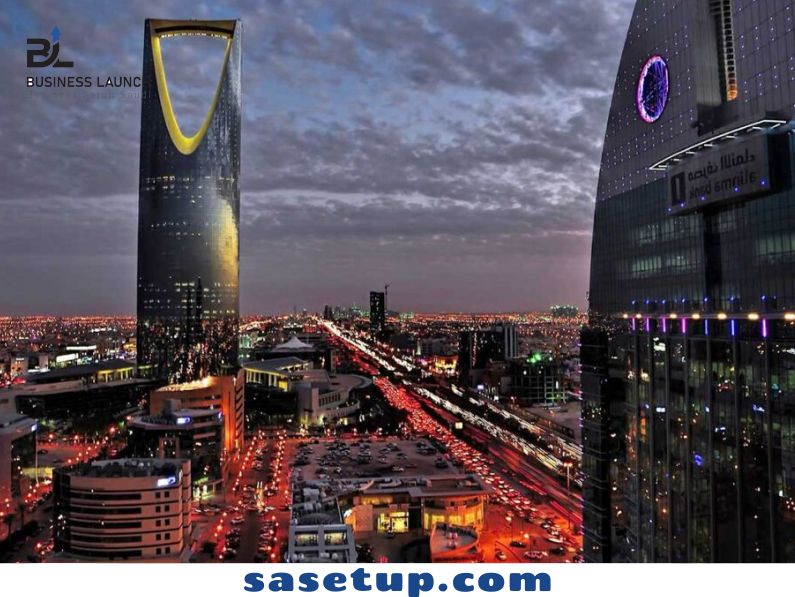
To Expand Business to Saudi Arabia in 2026 is to participate in the world’s most ambitious economic experiment. The Kingdom has successfully built a bridge between its rich heritage and a futuristic, digital-first economy.
While the regulatory environment is more welcoming than ever, the difference between a “soft launch” and a “market leader” often comes down to local expertise and compliance precision. By partnering with localized specialists like Business Launch Company (SA Setup) and aligning with the pillars of Vision 2030, your brand can transition from a global observer to a local powerhouse. The Saudi market is open—is your business ready?