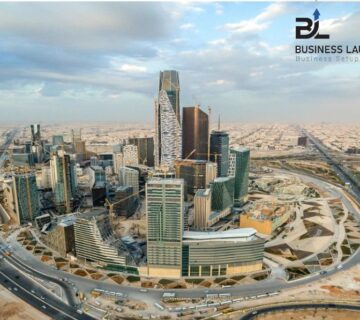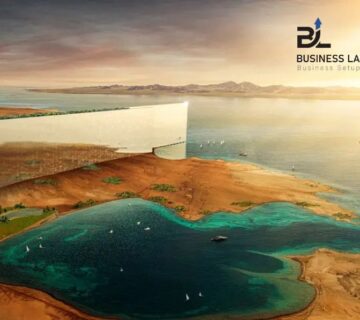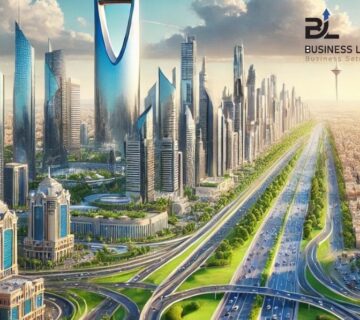
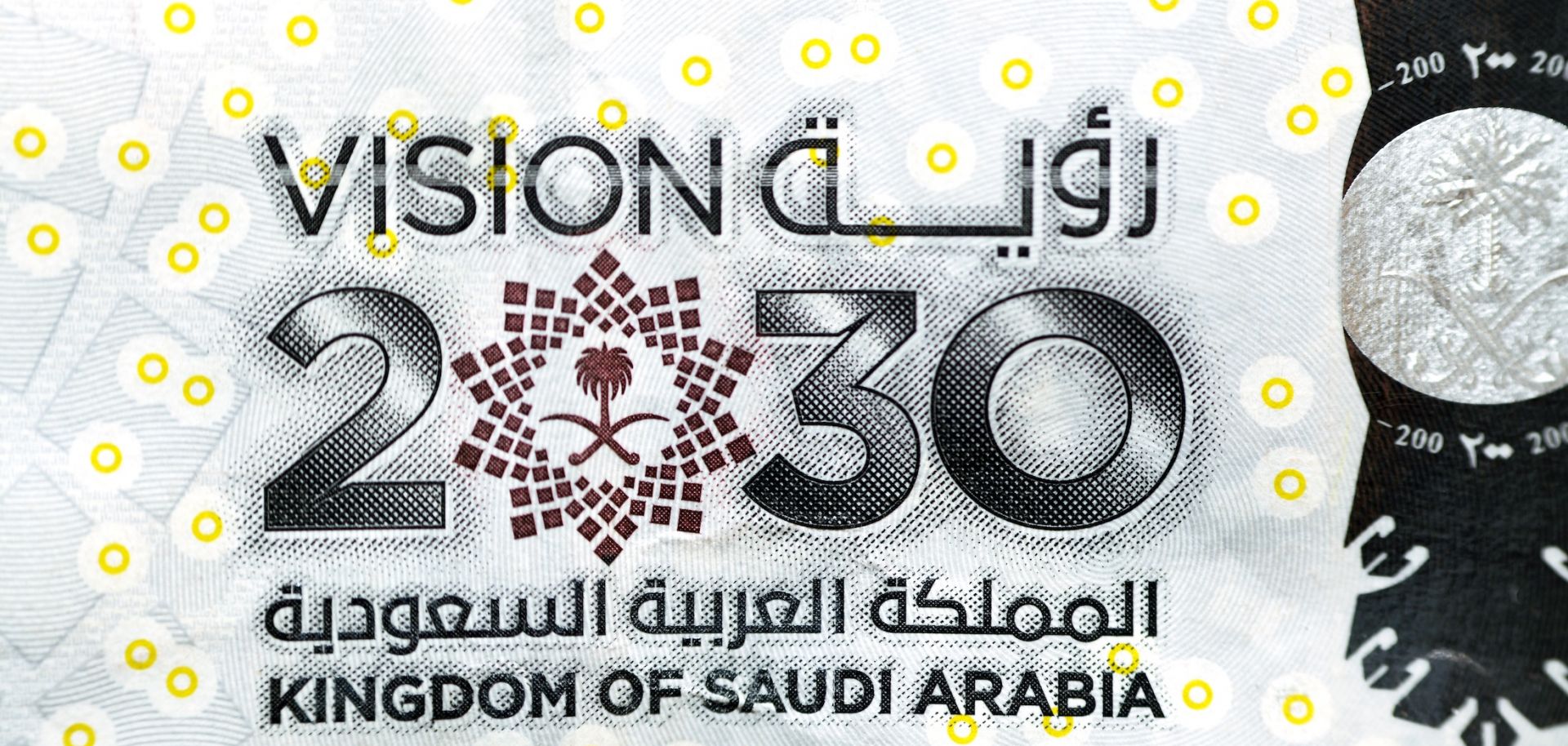
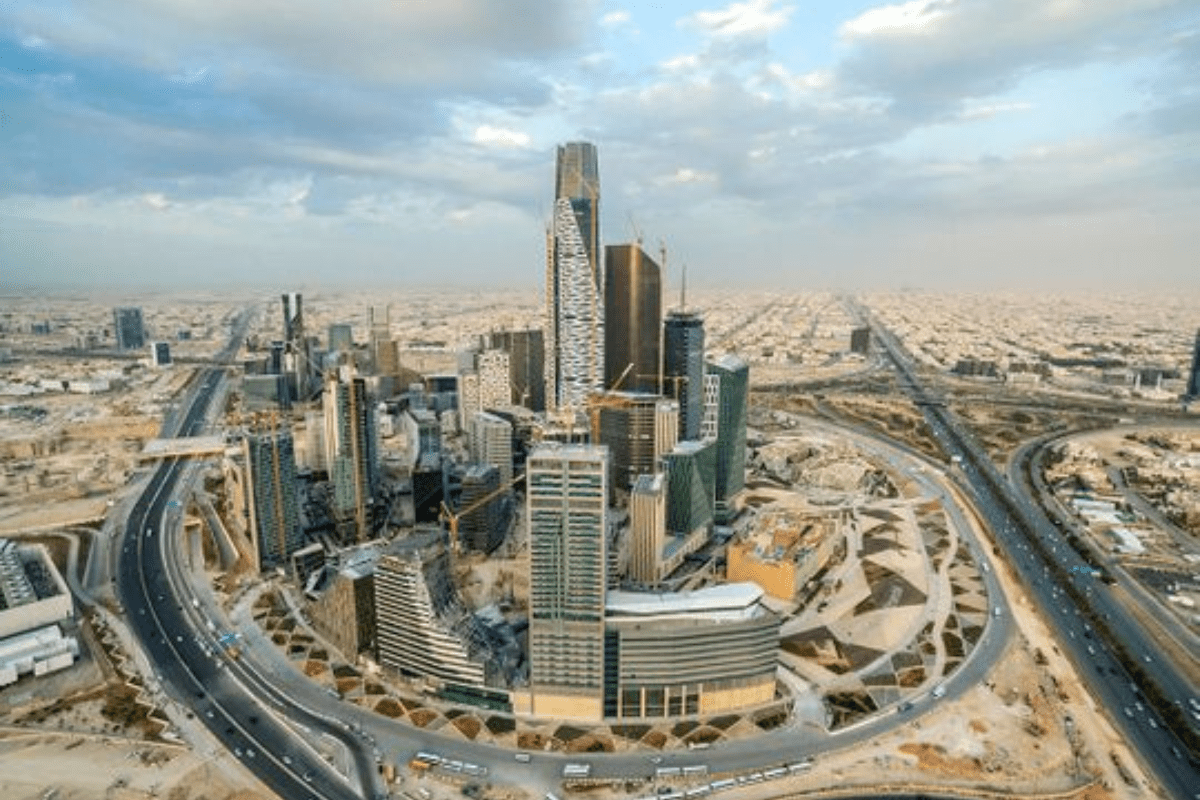
The global economic landscape is undergoing a monumental shift, and at the center of this transformation is the Kingdom of Saudi Arabia. Driven by the ambitious Vision 2030 Investment Saudi Arabia strategy, the Kingdom has moved beyond its traditional role as an oil exporter to become one of the most dynamic investment destinations in the world. As of 2026, the progress is no longer just a roadmap—it is a tangible reality reflected in the skylines of Riyadh, the sands of NEOM, and the digital infrastructure connecting the nation.
For global investors, multinational corporations, and entrepreneurs, understanding the depth of Vision 2030 Investment Saudi Arabia is essential to capturing the next wave of global growth. This comprehensive article explores the pillars, incentives, and sectors defining the Kingdom’s historic economic evolution.
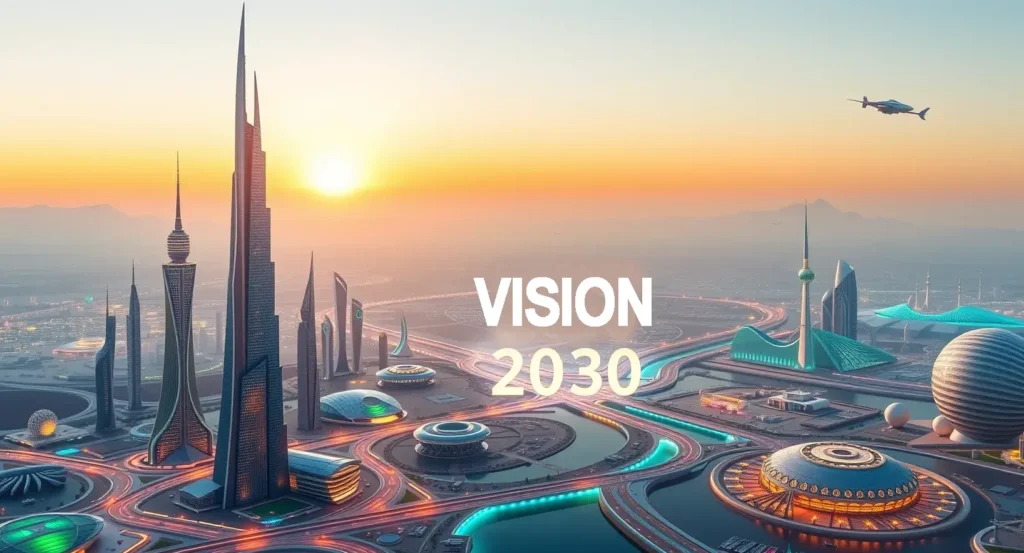
The Core Pillars of Vision 2030 Investment Saudi Arabia
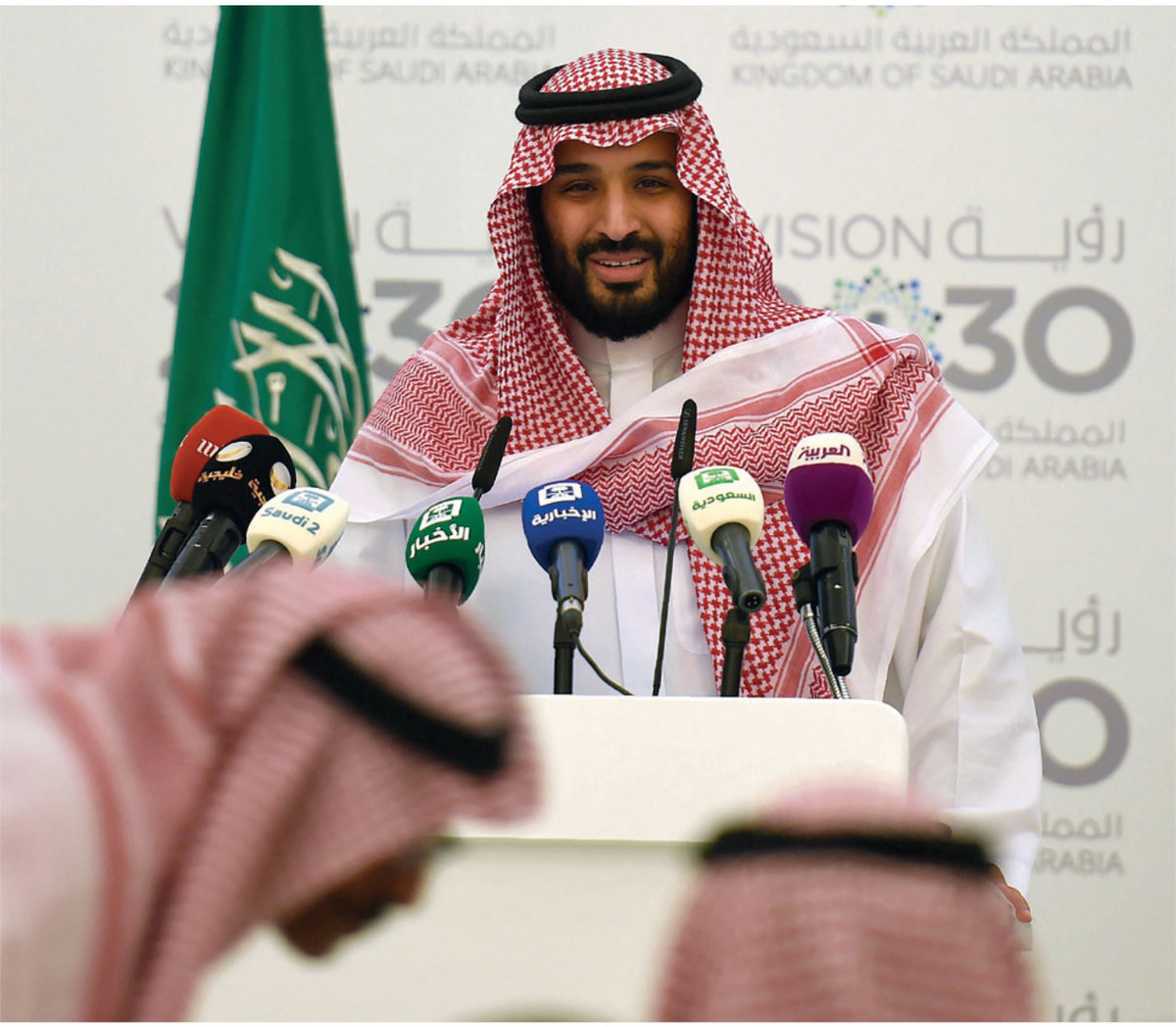
Launched in 2016 by HRH Crown Prince Mohammed bin Salman, Vision 2030 is built on three pillars that create a fertile ground for foreign direct investment (FDI):
-
A Vibrant Society: Investing in culture, entertainment, and healthcare to improve the quality of life, which in turn attracts global talent.
-
A Thriving Economy: Diversifying income sources away from oil by boosting the private sector’s contribution to GDP from 40% to 65%.
-
An Ambitious Nation: Enhancing government efficiency and transparency, making it easier for international firms to operate.
Why Investors are Flocking to Saudi Arabia in 2026
The surge in Vision 2030 Investment Saudi Arabia is fueled by a series of radical reforms designed to eliminate barriers and maximize returns for foreign capital.
1. The Regional Headquarters (RHQ) Mandate
To ensure that economic value is retained within the Kingdom, the government implemented the RHQ program. Multinational companies looking to access government contracts must now establish their regional hubs in KSA. In return, they receive:
-
A 30-year tax holiday (0% corporate income tax).
-
A 10-year exemption from local hiring quotas (Saudization).
-
Fast-track visa processing for global executives.
2. Pro-Investor Legal Reforms
Saudi Arabia has modernized its legal framework to align with international standards. The new Investment Law treats foreign investors the same as Saudi nationals, ensuring “national treatment” and protecting property rights.
3. World-Class Digital Infrastructure
The Kingdom has invested billions in 5G, AI, and cloud computing. This digital-first approach allows for a seamless “Ease of Doing Business” experience, where a MISA License can be issued in hours rather than months.
High-Growth Sectors for Vision 2030 Investment Saudi Arabia
The diversification strategy has opened up specialized sectors that offer high yields for early movers:
A. The Giga-Projects: Redefining Human Living
The “Giga-projects” managed by the Public Investment Fund (PIF) are the crown jewels of Vision 2030 Investment Saudi Arabia:
-
NEOM: A $500 billion cognitive city and home to “The Line,” focusing on sustainability and robotics.
-
The Red Sea Global: A luxury, regenerative tourism destination powered 100% by renewable energy.
-
Qiddiya: The world’s future capital of entertainment, sports, and culture.
B. Mining and Mineral Resources
Often called the “third pillar” of the Saudi economy, the mining sector is estimated to hold over $1.3 trillion (now revised upward to $2.5 trillion in 2026) in untapped minerals, including gold, phosphate, and copper. The Kingdom is positioning itself as a global hub for green minerals essential for the energy transition.
C. Logistics and Connectivity
As part of the National Industrial Development and Logistics Program (NIDLP), Saudi Arabia is leveraging its location at the crossroads of three continents. The goal is to turn KSA into a global logistics hub, connecting Asia, Europe, and Africa.
D. Renewable Energy and Green Hydrogen
Under the Saudi Green Initiative, the Kingdom aims for 50% of its energy to come from renewables by 2030. Projects like the NEOM Green Hydrogen plant are setting global benchmarks for the future of fuel.
The Role of MISA in Vision 2030 Investment Saudi Arabia
The Ministry of Investment (MISA) acts as the primary facilitator for every Vision 2030 Investment Saudi Arabia journey. MISA provides “end-to-end” support for investors, from initial inquiry and licensing to post-setup operational support.
-
Invest Saudi: The unified investment brand and portal for the Kingdom.
-
Catalyze Saudi: A platform connecting global investors with local opportunities and private sector partners.
Vision 2030 Investment Saudi Arabia: Success by the Numbers (2026 Update)
-
FDI Inflows: Have reached record highs, consistently growing double-digits year-on-year.
-
Non-Oil GDP: Now contributes over 50% to the total real GDP, a historic milestone reached in 2024 and expanded in 2025.
-
Riyadh’s Ascent: The capital is now a top-tier global financial hub, rivaling London and New York in specific sectors like fintech.
See Also
- The Strategic Power Move: A Comprehensive Guide to Setup RHQ Riyadh
- Launch Business Saudi Arabia: The Ultimate 2026 Comprehensive Guide
- RHQ in Saudi Arabia: Complete Guide to Regional Headquarters Setup (2026)
- MISA License Saudi Arabia: The Definitive Guide to Investing in the Kingdom (2026)
Comparison: Investing in KSA vs. Traditional Emerging Markets
| Feature | Vision 2030 (Saudi Arabia) | Traditional Emerging Markets |
| Capital Repatriation | 100% Allowed | Often Restricted |
| Corporate Tax (RHQ) | 0% for 30 Years | 15% – 25% |
| Infrastructure | Giga-project standard (Global Best) | Varies (often aging) |
| Govt. Stability | High (Long-term Vision) | Subject to election cycles |
Frequently Asked Questions (FAQs)
1. Can foreign investors own 100% of their business in Saudi Arabia?
Yes. Under Vision 2030 Investment Saudi Arabia, most sectors—including services, manufacturing, and retail—allow for 100% foreign ownership without the need for a local partner.
2. What is the minimum capital required to invest?
The requirements vary by sector. For many service-based licenses, there is no minimum capital. However, for retail or industrial licenses, specific capital thresholds may apply to ensure project feasibility.
3. How does Vision 2030 protect foreign investors?
The Kingdom is a signatory to various international investment treaties. Furthermore, the updated Saudi Investment Law provides legal safeguards, arbitration rights, and protection against expropriation.
4. What is the impact of “Saudization” on foreign companies?
While there are requirements to hire Saudi nationals (Nitaqat), companies under the RHQ program receive a 10-year exemption. Additionally, the government provides significant subsidies for training and wages for Saudi employees through the Human Resources Development Fund (HRDF).
5. Is it easy to get a business visa?
Yes. MISA and the Ministry of Foreign Affairs have launched the “Investor Visa,” which is a digital visa issued to business owners and executives within 24 hours.
External Resources for Investors
-
Invest Saudi Portal: The primary entry point for all investment inquiries.
-
Official Vision 2030 Website: Detailed reports on giga-projects and strategic goals.
-
Zakat, Tax and Customs Authority (ZATCA): For up-to-date information on tax regulations and RHQ incentives.
Conclusion: Seizing the Saudi Opportunity
The narrative of Vision 2030 Investment Saudi Arabia is one of unprecedented scale and speed. In 2026, the Kingdom is no longer a future prospect; it is an active, thriving market where the world’s leading companies are already making their mark.
Whether it is the 0% tax environment for regional headquarters, the trillion-dollar mining potential, or the pioneering tech scene in Riyadh, the Kingdom offers a risk-reward profile that is unique in the G20. For those looking to redefine their global footprint, the message is clear: the future of investment is happening in Saudi Arabia.